Face Mask Benefits, Post
The Ultimate Guide to Face Masks: Choosing the Right Protection for Your Needs
The world has changed significantly over the past few years, and face masks have transitioned from specialized medical equipment to an essential part of our daily lives. Whether you are navigating a crowded subway, working in a healthcare setting, or simply protecting yourself from seasonal flu and air pollution, understanding the nuances of different face masks is crucial.
However, with so many options available—ranging from simple cloth coverings to high-tech respirators—how do you know which one truly offers the protection you need? This comprehensive guide explores the different types of face masks, their filtration efficiencies, and how to choose the right one for various environments.
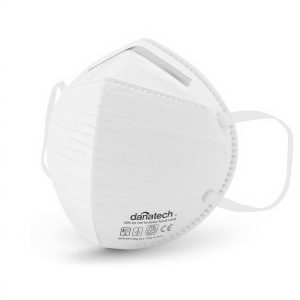
1. Understanding the Different Types of Face Masks
To make an informed decision, we must first categorize masks based on their design and intended use.
Cloth Masks: Often made of cotton or synthetic blends, these are reusable and stylish. While they provide a basic barrier against large droplets, their filtration efficiency varies greatly depending on the fabric’s weave and the number of layers.
Surgical Masks (Medical Masks): These loose-fitting, disposable masks are designed to protect the wearer from splashes and sprays. They are effective at “source control,” meaning they prevent the wearer’s germs from spreading to others.
N95 and FFP2/FFP3 Respirators: These are the gold standard for respiratory protection. They are designed to form a tight seal around the face and filter out at least 95% of airborne particles, including very small aerosols.
KN95 and KF94 Masks: International standards (Chinese and South Korean, respectively) that offer similar filtration levels to N95s but often use ear loops instead of head straps, which may affect the seal.
2. N95 vs. Surgical Masks: What’s the Difference?
One of the most common points of confusion is the difference between a standard medical mask and an N95 respirator.
Filtration: N95s filter both large droplets and small particles. Surgical masks primarily block large droplets.
Fit: N95s require a “fit test” to ensure no air leaks around the edges. Surgical masks are loose, allowing air to bypass the filter material during inhalation.
Usage: Surgical masks are ideal for low-risk public settings. N95s are recommended for high-risk environments, such as hospitals or areas with high levels of air pollution (PM2.5).
3. How to Ensure a Proper Fit
A mask is only as effective as its fit. If there are gaps around your nose or chin, contaminated air will take the path of least resistance and enter your respiratory system.
The Nose Wire: Always pinch the metal strip to mold it to the bridge of your nose.
The Seal Check: Exhale sharply; if you feel air hitting your eyes or escaping from the sides, adjust the straps.
Double Masking: Wearing a cloth mask over a surgical mask can help press the edges of the surgical mask against your face, improving the seal.
4. Maintenance and Safety Tips
Disposable vs. Reusable: Never wash disposable surgical or N95 masks, as water damages the electrostatic charge used to trap particles.
Storage: Keep your masks in a clean, breathable container (like a paper bag) when not in use.
When to Replace: Discard a mask if it becomes damp, soiled, or if the straps lose elasticity.
Conclusion
Choosing the right face mask is a balance between comfort, breathability, and the level of risk in your environment. While no mask provides 100% protection, wearing a well-fitted, high-quality mask significantly reduces the transmission of respiratory diseases and protects you from environmental hazards. Stay informed, stay covered, and prioritize your health by making the right choice today.
