-
×
 MaskPro Plus 1 × 8 $
 -
×
Burgundy Face Mask – 3-Layer Protection 1 × 6 $
-
×
Blue Silver Face Mask – 3-Layer Protection 1 × 2 $
-
×
Pattern G Face Mask 1 × 3 $
-
×
AirFit Nano 1 × 10 $
-
×
Sky Blue Face Mask – 3-Layer Protection 1 × 8 $
-
×
Charcoal Gray Face Mask – 3-Layer Protection 1 × 4 $
-
×
Beige Face Mask 1 × 8 $
-
×
Pattern B Face Mask 1 × 5 $
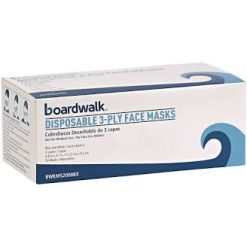 MaskPro Plus
 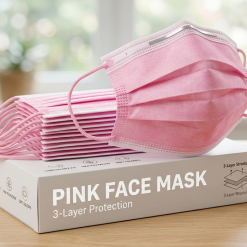 Burgundy Face Mask – 3-Layer Protection
 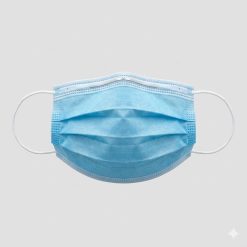 Blue Silver Face Mask – 3-Layer Protection
 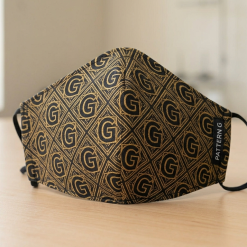 Pattern G Face Mask
 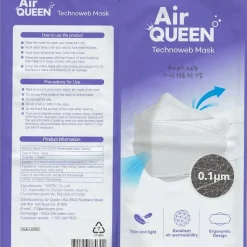 AirFit Nano
 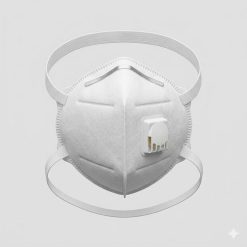 Sky Blue Face Mask – 3-Layer Protection
 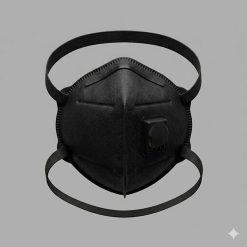 Charcoal Gray Face Mask – 3-Layer Protection
 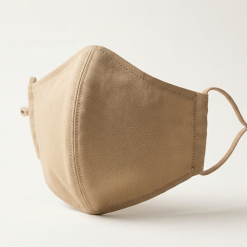 Beige Face Mask
  Pattern B Face Mask
 Post, Face Mask Benefits
Breathable Cloth Mask: Comfortable and Reliable Protection for Everyday Use
Posted on by adminsite
21
May
May
Ultimate Breathable Cloth Mask Guide for Comfortable Everyday Protection

A breathable cloth mask is one of the most practical and comfortable solutions for daily protection. As face masks become part of everyday life, many people are searching for options that provide both airflow and reliable coverage. Cloth masks are especially popular because they are reusable, cost-effective, and easy to maintain.
However, not all cloth masks are created equal. Some masks may feel too thick, trap heat, or make breathing uncomfortable during long periods of wear. Choosing a high-quality breathable cloth mask helps solve these problems by improving airflow while still offering dependable protection.
Whether you are commuting, working in an office, attending school, traveling, or spending time outdoors, the right it can significantly improve your daily comfort.
In this guide, you will learn why its matter, what features to look for, the best materials, common mistakes to avoid, and how to choose the perfect mask for your lifestyle.
Why Choose a Breathable Cloth Mask
Wearing a mask for extended hours can become uncomfortable if airflow is restricted. Heat, moisture, and trapped humidity may cause irritation and fatigue throughout the day.
A breathable cloth mask is designed to improve air circulation, helping users breathe more naturally without sacrificing comfort.
This type of mask is especially useful for:
- Daily commuters
- Office workers
- Students
- Travelers
- Motorbike riders
- People living in warm climates
Better comfort encourages consistent mask usage, which is important for maintaining daily protection.
How a Breathable Cloth Mask Improves Comfort
Comfort plays a major role in long-term mask use.
A breathable mask reduces common problems such as:
- Heat buildup
- Moisture accumulation
- Difficulty breathing
- Skin irritation
- Pressure on the face
Modern breathable cloth masks are designed with lightweight materials and airflow-focused construction to improve the user experience.
This makes them suitable for all-day wear.
Key Features of a Breathable Cloth Mask
Not all masks provide the same balance between protection and airflow.
The best breathable cloth mask options combine comfort, filtration, and durability.
High Airflow Design
The most important feature is airflow.
A breathable mask allows air to move more freely while still helping reduce exposure to airborne particles.
Improved airflow helps users feel more comfortable during long hours of use.
Soft and Comfortable Fabric
Soft materials reduce irritation and improve wearability.
Common fabric choices include:
- Cotton
- Cotton blends
- Lightweight woven fabrics
A soft breathable cloth mask feels gentler on the skin and reduces discomfort during extended wear.
Multi-Layer Structure
Even breathable masks should include multiple protective layers.
A multi-layer design helps:
- Improve filtration
- Maintain airflow balance
- Increase overall effectiveness
The goal is to combine protection with comfort.
Lightweight Construction
Heavy masks often feel restrictive and uncomfortable.
A lightweight breathable cloth mask reduces:
- Facial pressure
- Heat buildup
- Ear strain
This makes it easier to wear throughout the day.
Best Materials for Breathable Cloth Masks
Material quality directly affects comfort and airflow.
Choosing the right material is essential when selecting a breathable cloth mask.
Cotton
Cotton is one of the most popular choices.
Benefits include:
- Soft texture
- Natural breathability
- Comfortable long-term wear
Cotton masks are ideal for daily activities and warm weather.
Cotton Blends
Cotton blends combine softness with improved durability.
Advantages include:
- Better structure
- Enhanced airflow
- Increased durability
A cotton-blend breathable cloth mask often provides a balanced combination of comfort and long-term usability.
Lightweight Technical Fabrics
Some modern masks use lightweight synthetic materials designed for airflow and moisture control.
These fabrics may help:
- Reduce sweat buildup
- Improve ventilation
- Increase flexibility
They are especially useful for commuting and active lifestyles.
Materials to Avoid
Some materials may reduce comfort significantly.
Avoid masks made from:
- Thick heavy fabrics
- Non-breathable materials
- Rough synthetic layers
Poor material choices can make breathing more difficult and increase heat retention.
Benefits of Using a Breathable Cloth Mask
A breathable cloth mask offers several important advantages for everyday users.
Comfortable for Long Hours
Better airflow reduces discomfort during extended wear.
Reusable and Cost-Effective
Unlike disposable masks, cloth masks can be washed and reused multiple times.
This helps reduce long-term expenses.
Environmentally Friendly
Reusable masks help reduce waste from single-use products.
Choosing a breathable cloth mask supports more sustainable daily habits.
Suitable for Daily Activities
Breathable masks are practical for:
- Work
- School
- Commuting
- Shopping
- Travel
Their versatility makes them ideal for daily use.
Easy to Clean and Maintain
Cloth masks are simple to wash and reuse regularly.
Proper maintenance helps preserve comfort and effectiveness.
Breathable Cloth Mask for Daily Work
Office workers and professionals often wear masks for many hours at a time.
A breathable cloth mask helps improve comfort by reducing:
- Heat
- Facial pressure
- Breathing discomfort
Neutral-colored breathable masks also maintain a professional appearance in workplace settings.
Breathable Cloth Mask for Commuting
Daily commuting often involves crowded spaces and changing temperatures.
A lightweight and breathable cloth mask helps users feel more comfortable during:
- Public transportation
- Motorbike rides
- Walking
- Long travel periods
Better airflow makes commuting less stressful and more manageable.
Breathable Cloth Mask for Warm Weather
Hot and humid environments can make mask-wearing difficult.
It’s helps reduce:
- Sweating
- Moisture buildup
- Heat retention
This is especially important in tropical or summer climates.
Lightweight fabrics and moisture control features improve comfort significantly during warm weather.
How to Use a Breathable Cloth Mask Properly
Correct usage is important for both hygiene and effectiveness.
Cover Nose and Mouth Completely
The mask should fully cover:
- Nose
- Mouth
- Chin
Partial coverage reduces effectiveness.
Adjust for a Secure Fit
A breathable cloth mask should fit snugly without large gaps.
Adjustable ear loops and flexible nose bridges improve fit quality.
Avoid Touching the Mask During Use
The outer surface may collect dust and particles.
Handle the mask using the straps whenever possible.
Wash After Each Use
Reusable masks should be cleaned regularly to maintain hygiene and comfort.
Common Mistakes to Avoid
Some common mistakes reduce the effectiveness of breathable masks.
Choosing Masks That Are Too Thin
Very thin masks may improve airflow but reduce protection.
Balance is important.
Wearing Loose Masks
Gaps around the face allow unfiltered air to enter.
Not Washing Regularly
Dirty masks may become uncomfortable and less hygienic.
Using Worn-Out Masks
Old masks with damaged fabric or stretched straps should be replaced.
Avoiding these mistakes helps your breathable perform properly.
How to Choose the Best Breathable Cloth Mask
Selecting the right mask depends on your lifestyle and daily needs.
Material Quality
Choose soft, breathable fabrics designed for long-term comfort.
Number of Layers
Look for masks with multiple lightweight layers for balanced filtration and airflow.
Fit and Comfort
A secure yet comfortable fit improves both usability and protection.
Daily Usage Needs
Consider where and how long you will wear the mask.
For example:
- Office use
- Commuting
- Travel
- Outdoor activities
Different situations may require different mask designs.
Maintenance Tips for Breathable Cloth Masks
Proper care helps extend mask lifespan and maintain performance.
Wash Regularly
Clean reusable masks after each day of use.
Use Mild Detergent
Gentle cleaning helps preserve fabric quality.
Dry Completely Before Reuse
A dry mask improves comfort and hygiene.
Store in a Clean Place
Keep your breathable cloth mask in a clean and dry environment when not in use.
Breathable Cloth Mask vs Disposable Mask
Both mask types have advantages depending on the situation.
Breathable Cloth Mask
- Reusable
- Cost-effective
- Environmentally friendly
- Comfortable for long-term use
Disposable Mask
- Convenient
- Easy to replace
- Suitable for short-term situations
A breathable cloth mask is often the better choice for daily wear and long-term comfort.
Conclusion
A breathable cloth mask is an excellent solution for people who want comfort, practicality, and reusable protection in everyday life. With the right materials, lightweight construction, and proper fit, it can make long-term mask use significantly more comfortable.
Whether you are working, commuting, traveling, or spending time outdoors, choosing a high-quality mask helps improve airflow while maintaining reliable protection.
Investing in the right mask supports better comfort, cleaner habits, and a more convenient daily experience.
Upgrade Your Everyday Comfort
Choose a premium breathable cloth mask today and enjoy better airflow, reusable protection, and all-day comfort wherever life takes you.
