-
×
 MaskPro Plus 2 × 8 $
 -
×
Burgundy Face Mask – 3-Layer Protection 1 × 6 $
-
×
Blue Silver Face Mask – 3-Layer Protection 1 × 2 $
-
×
Pattern G Face Mask 1 × 3 $
-
×
AirFit Nano 1 × 10 $
-
×
Sky Blue Face Mask – 3-Layer Protection 1 × 8 $
-
×
Charcoal Gray Face Mask – 3-Layer Protection 1 × 4 $
-
×
Beige Face Mask 1 × 8 $
-
×
Pattern B Face Mask 1 × 5 $
-
×
Mint Green Face Mask – 3-Layer Protection 1 × 6 $
-
×
3D TR Face Mask – 3-Layer Protection 1 × 6 $
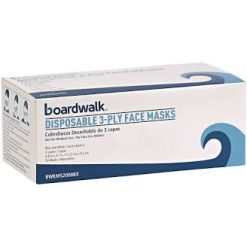 MaskPro Plus
 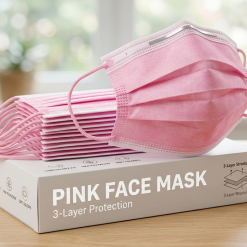 Burgundy Face Mask – 3-Layer Protection
 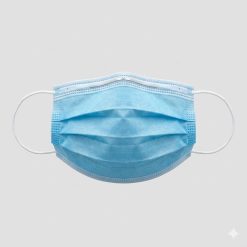 Blue Silver Face Mask – 3-Layer Protection
 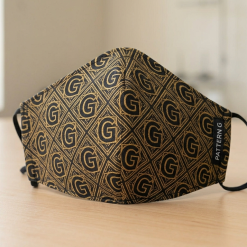 Pattern G Face Mask
 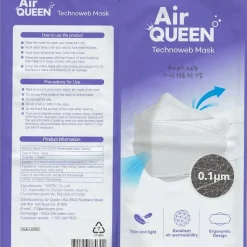 AirFit Nano
 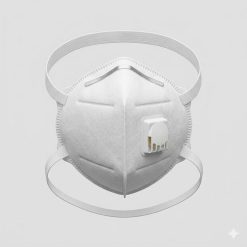 Sky Blue Face Mask – 3-Layer Protection
 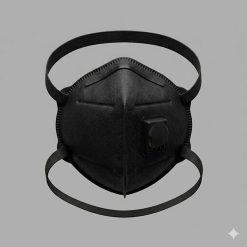 Charcoal Gray Face Mask – 3-Layer Protection
 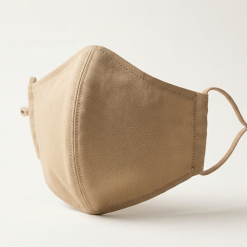 Beige Face Mask
 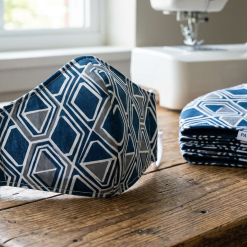 Pattern B Face Mask
 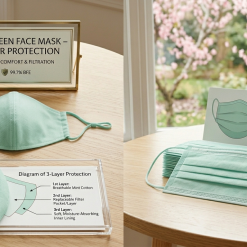 Mint Green Face Mask – 3-Layer Protection
 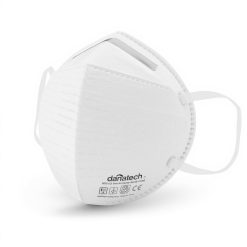 3D TR Face Mask – 3-Layer Protection
 Face Mask Benefits, Post
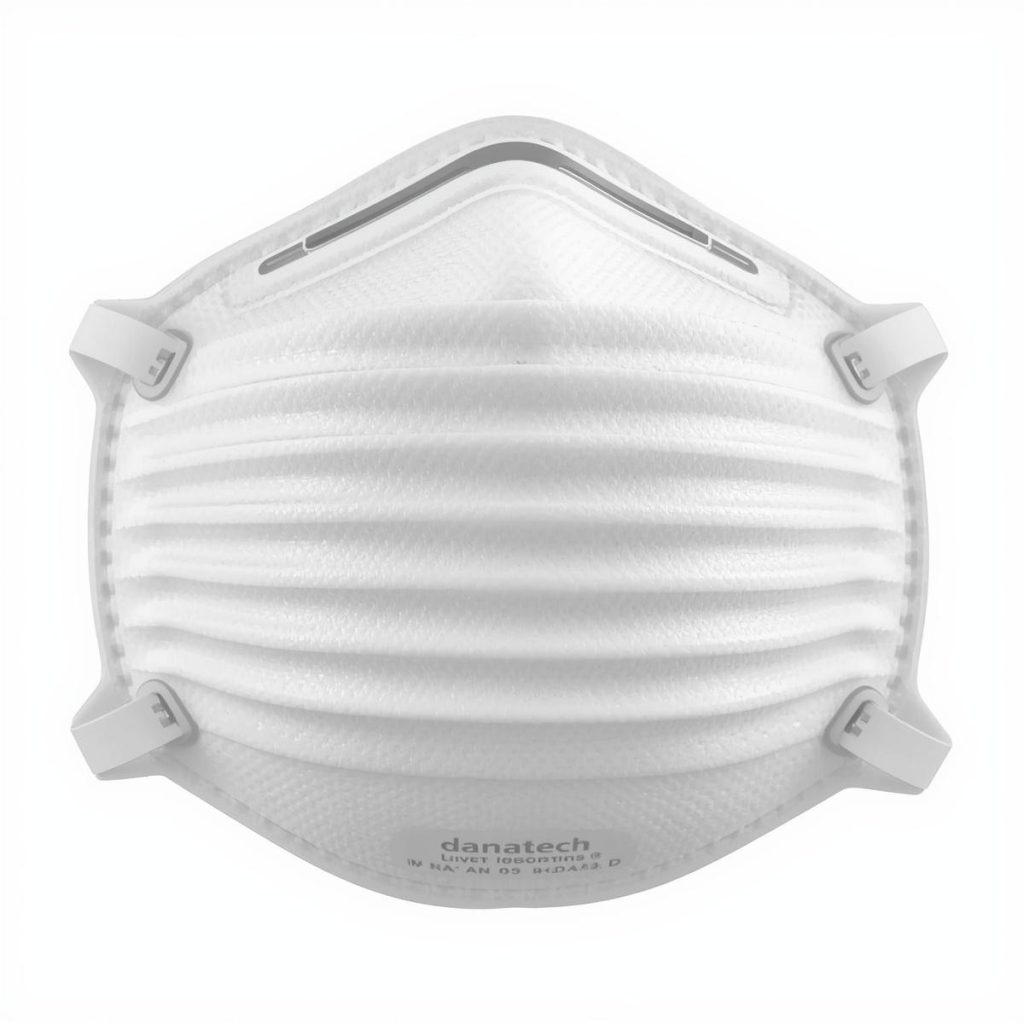
Face Mask for Acne Prevention: Protect Your Skin While Staying Safe
21
May
May
Complete Face Mask for Acne Prevention Guide for Healthier Skin

A face mask for acne prevention is essential for people who experience breakouts, irritation, or skin discomfort caused by prolonged mask use. Wearing a face mask for several hours each day can trap heat, oil, sweat, and moisture against the skin, creating conditions that may lead to clogged pores and acne.
As masks continue to be part of daily life for work, commuting, travel, and school, many people are searching for solutions that provide both protection and skin comfort. Choosing the right face mask for acne prevention helps reduce irritation while supporting healthier skin throughout the day.
With the right materials, breathable design, and proper hygiene habits, you can significantly lower the risk of mask-related acne while maintaining effective daily protection.
This guide explains why masks can contribute to acne, what features to look for, the best materials for sensitive skin, and how to build healthy mask-wearing habits that support clearer skin.
Why Masks Can Cause Acne
Mask-related acne, often called “maskne,” is commonly caused by the environment created underneath the mask during extended wear.
Heat, friction, moisture, and trapped oil can irritate the skin and clog pores.
Common causes include:
- Excess sweat and humidity
- Friction from rough materials
- Bacteria buildup on dirty masks
- Poor airflow and trapped heat
- Tight pressure on the skin
- Wearing masks for long periods
A properly designed face mask for acne prevention helps reduce these problems by improving breathability and minimizing irritation.
How a Face Mask for Acne Prevention Helps
A high-quality acne-prevention mask focuses on comfort, hygiene, and airflow.
It helps:
- Reduce moisture buildup
- Minimize skin friction
- Improve air circulation
- Lower irritation risk
- Keep pores cleaner
The right mask supports both skin health and daily protection.
Key Features of a Face Mask for Acne Prevention
Not all masks are suitable for acne-prone or sensitive skin.
The best face mask for acne prevention combines breathable materials with gentle construction.
Soft and Skin-Friendly Materials
Material choice is extremely important.
Soft fabrics help reduce rubbing and irritation that can trigger breakouts.
Recommended materials include:
- Cotton
- Cotton blends
- Silk inner layers
- Hypoallergenic fabrics
Gentle fabrics improve comfort during long-term wear.
Breathability
Breathability helps reduce heat and moisture buildup inside the mask.
A breathable face mask for acne prevention allows better airflow, helping keep the skin cooler and drier.
Good airflow reduces the chance of clogged pores.
Lightweight Design
Heavy masks may increase pressure and friction on the face.
A lightweight mask helps:
- Reduce facial pressure
- Improve comfort
- Lower irritation risk
This is especially helpful for people who wear masks for many hours daily.
Proper Fit Without Excessive Tightness
A mask should fit securely but not too tightly.
Tight masks can:
- Cause pressure marks
- Increase friction
- Irritate acne-prone areas
A properly fitted face mask for acne prevention provides protection without unnecessary pressure.
Best Materials for Acne Prevention
Different materials affect skin comfort differently.
Choosing the right fabric is essential for acne-prone skin.
Cotton
Cotton is one of the best materials for acne prevention.
Benefits include:
- Soft texture
- Natural breathability
- Gentle contact with skin
- Easy cleaning
Cotton masks are excellent for daily wear.
Silk Inner Layers
Silk creates less friction against the skin compared to rough fabrics.
Advantages include:
- Reduced irritation
- Smoother surface
- Improved comfort
A silk-lined face mask for acne prevention may help reduce rubbing on sensitive areas.
Hypoallergenic Fabrics
Hypoallergenic materials are designed to minimize skin reactions.
These fabrics are ideal for people with:
- Sensitive skin
- Allergies
- Frequent irritation
Materials to Avoid
Some materials may worsen acne or irritation.
Avoid:
- Rough synthetic fabrics
- Thick non-breathable materials
- Harsh textured surfaces
Poor material choices may trap more heat and moisture.
How to Use a Face Mask for Acne Prevention
Proper mask habits are just as important as choosing the right mask.
Use a Clean Mask Every Time
Dirty masks collect:
- Oil
- Sweat
- Bacteria
- Dust
Using a clean face mask for acne prevention helps reduce bacterial buildup.
Wash Reusable Masks After Each Use
Reusable masks should be cleaned regularly.
Frequent washing helps maintain hygiene and comfort.
Avoid Wearing Heavy Makeup Under the Mask
Heavy makeup may clog pores when combined with heat and moisture.
Light skincare products are usually a better option.
Wash Your Face Regularly
Gentle cleansing helps remove:
- Sweat
- Oil
- Dirt
- Bacteria
Keeping the skin clean reduces acne risk.
Replace Masks When Damp
Moisture buildup creates an unhealthy environment for the skin.
Replace masks if they become wet from sweat or humidity.
Skincare Tips While Wearing a Mask
Combining skincare with the right mask improves results significantly.
Use a Gentle Cleanser
Avoid harsh products that strip or irritate the skin.
A mild cleanser helps maintain skin balance.
Apply a Lightweight Moisturizer
Hydrated skin is less likely to become irritated.
Choose non-greasy moisturizers that absorb easily.
Avoid Heavy or Pore-Clogging Products
Heavy creams and oily makeup may increase breakouts under the mask.
Keep Skin Dry and Clean
Reducing excess moisture helps lower acne risk.
A breathable face mask for acne prevention supports this process by improving airflow.
Common Mistakes to Avoid
Some habits can worsen mask-related acne.
Reusing Dirty Masks
Dirty masks may spread bacteria back onto the skin.
Wearing Masks That Are Too Tight
Excessive pressure increases friction and irritation.
Ignoring Skincare Routines
Skipping cleansing and hydration may lead to more breakouts.
Choosing Non-Breathable Materials
Poor airflow traps heat and sweat against the skin.
Avoiding these mistakes helps improve skin comfort and mask performance.
Benefits of Using a Face Mask for Acne Prevention
A well-designed mask offers multiple skin-health advantages.
Reduces Skin Irritation
Soft materials minimize rubbing and redness.
Helps Prevent Clogged Pores
Better airflow lowers moisture and oil buildup.
Improves Comfort During Long Wear
Breathable masks feel more comfortable throughout the day.
Supports Healthier Skin
Proper materials and hygiene habits help maintain cleaner skin.
Maintains Daily Protection
A face mask for acne prevention still provides reliable daily coverage while improving skin comfort.
These benefits make acne-prevention masks a smart choice for regular mask users.
Who Should Use a Face Mask for Acne Prevention
These masks are suitable for many people.
Individuals with Acne-Prone Skin
People who frequently experience breakouts may benefit from breathable and skin-friendly masks.
Office Workers and Students
Long hours of mask use can increase irritation and moisture buildup.
Daily Commuters
Travel and commuting expose users to heat, humidity, and prolonged wear conditions.
People with Sensitive Skin
Gentle fabrics help reduce redness and discomfort.
A high-quality face mask for acne prevention supports better skin health in these situations.
How to Choose the Best Face Mask for Acne Prevention
Several factors affect comfort and skin compatibility.
Material Softness
Choose smooth and gentle fabrics.
Breathability
Better airflow reduces trapped heat and sweat.
Fit and Comfort
A snug but comfortable fit improves usability.
Ease of Cleaning
Reusable masks should be simple to wash regularly.
Choosing the right face mask for acne prevention helps maintain healthier skin over time.
Maintenance Tips for Acne-Prevention Masks
Proper care helps preserve cleanliness and comfort.
Wash Frequently
Clean reusable masks after each use.
Use Mild Detergent
Gentle cleaning products reduce irritation risk.
Dry Completely Before Reuse
Dry masks help reduce bacterial growth.
Store Properly
Keep masks in a clean and dry environment.
Good maintenance supports long-term hygiene and performance.
Conclusion
A face mask for acne prevention is an excellent solution for people who want both reliable protection and healthier skin. By choosing breathable materials, maintaining proper hygiene, and following simple skincare habits, you can significantly reduce mask-related breakouts and irritation.
Comfortable, skin-friendly masks make daily wear easier while helping maintain clearer and healthier skin over time.
Investing in the right face mask for acne prevention improves both protection and confidence in your everyday routine.
Protect Your Skin Every Day
Choose a premium face mask for acne prevention today and enjoy breathable comfort, healthier skin, and reliable daily protection wherever you go.
