Post
Face Masks for Exercise: Breathable Options for Athletes and Runners
May
Face Masks for Exercise: Breathable Options for Athletes and Runners
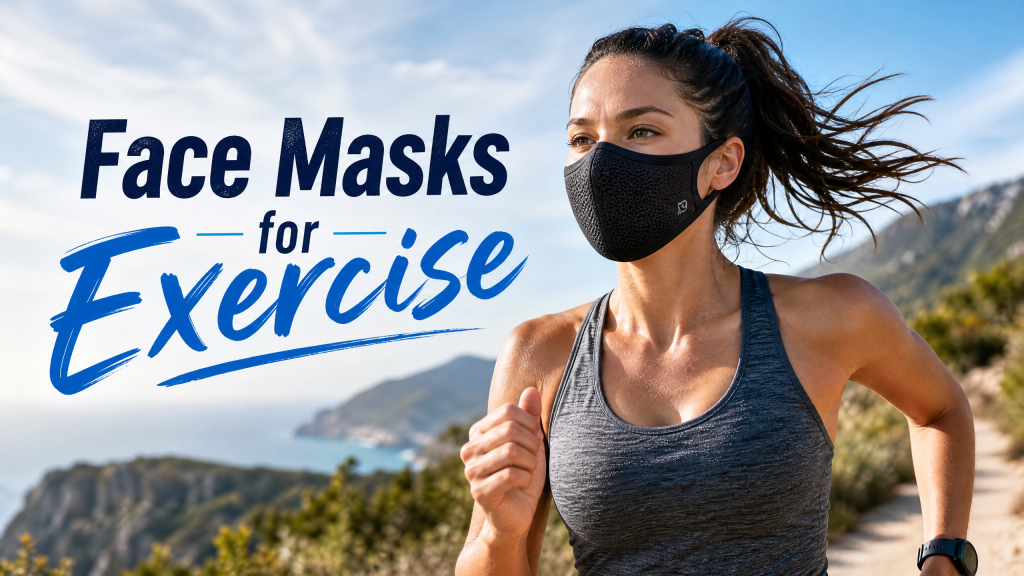
Choosing the right face masks for exercise can make a major difference in your workout performance, breathing comfort, and overall protection. Whether you are running outdoors, cycling through busy streets, training at the gym, or practicing yoga in a crowded studio, the right mask helps reduce exposure to dust, allergens, pollution, and airborne particles without making exercise uncomfortable.
Modern face masks are specifically designed for active lifestyles. Unlike traditional masks that may trap heat and restrict airflow, athletic masks focus on breathability, moisture control, lightweight construction, and secure fit. In this guide, you’ll learn how to choose the best face masks, what features matter most, and how to use them safely during physical activity.
Why Face Masks for Exercise Matter
Physical activity increases your breathing rate and airflow demand. During exercise, you inhale and exhale more forcefully, which means ordinary masks can quickly become hot, damp, and uncomfortable. High-quality face masks are engineered to address these challenges while still offering meaningful protection.
Athletes and runners often use face masks in environments where exposure to pollutants is common. Urban runners may encounter traffic emissions, cyclists often deal with dust and exhaust, and outdoor athletes may struggle with pollen during allergy season. Wearing properly designed face masks can help reduce irritation and improve comfort in these environments.
Additionally, many fitness enthusiasts continue wearing masks in indoor gyms, crowded training facilities, or during seasonal illness outbreaks. The combination of filtration and breathability makes specialized face masks far more suitable than standard disposable masks during movement-heavy activities.
Key Features to Look for in Face Masks for Exercise
Not all workout masks perform the same. The best face masks combine comfort, airflow, and protection without compromising mobility or endurance.
Breathability
Breathability is the most important factor in face masks. During physical activity, oxygen demand rises significantly, so masks must allow efficient airflow while maintaining filtration performance.
Look for:
- Lightweight multilayer fabrics
- Moisture-wicking inner linings
- Mesh ventilation zones
- 3D structured designs
- Low breathing resistance materials
Masks that feel breathable during walking may still become restrictive during running or cycling, so choosing purpose-built face masks is essential.
Secure Fit
A loose mask shifts constantly during workouts, causing distractions and reducing effectiveness. Quality face masks should fit securely around the nose, cheeks, and chin without excessive tightness.
Important fit features include:
- Adjustable ear loops
- Head straps for stability
- Flexible nose bridges
- Stretchable athletic fabrics
- Ergonomic contouring
The best face masks stay in place during sprinting, jumping, and rapid head movement.
Moisture Control
Sweat and condensation can quickly make masks uncomfortable. Effective face masks for exercise use moisture-wicking materials that pull sweat away from the skin and dry rapidly between workouts.
Premium sports masks often feature:
- Quick-drying polyester blends
- Antimicrobial inner layers
- Sweat-resistant construction
- Ventilated breathing chambers
These features help prevent the damp feeling common with ordinary masks during intense exercise.
Lightweight Design
Heavy masks can create facial fatigue during long workouts. High-performance face masks for exercise use ultralight materials that reduce pressure while maintaining structure and durability.
Lightweight masks are particularly important for:
- Long-distance running
- Cycling
- Hiking
- Team sports
- Interval training
Types of Face Masks for Exercise
Different workout styles require different mask designs. Understanding the available options helps you choose the most suitable face masks for exercise for your activity level and environment.
Athletic Cloth Masks
Athletic cloth masks are among the most common face masks for exercise. They are reusable, washable, and designed specifically for active wear.
Benefits include:
- Comfortable fabric construction
- Washable materials
- Good airflow
- Affordable long-term cost
- Wide range of styles
High-quality versions often include filter pockets for additional protection.
KN95 and Sports Respirators
For athletes exercising in polluted urban environments, KN95-style face masks for exercise provide higher filtration levels. These masks can help block fine particles such as dust, smoke, and exhaust fumes.
Advantages include:
- High particle filtration
- Structured shape for easier breathing
- Better protection in crowded spaces
- Improved seal around the face
However, some respirator-style masks may feel restrictive during high-intensity exercise.
Neoprene Training Masks
Neoprene-based face masks for exercise are popular among cyclists and cold-weather runners. These masks provide insulation while blocking wind and airborne particles.
They work well for:
- Winter running
- Outdoor cycling
- Dusty environments
- Motorbike commuting
Because neoprene retains heat, these masks may feel too warm in hot climates.
Disposable Sports Masks
Some disposable masks are specifically designed for workouts. These lightweight face masks offer convenience without requiring washing after every session.
They are ideal for:
- Short-term use
- Travel workouts
- Gym sessions
- Emergency replacements
Best Activities for Face Masks for Exercise
Different exercises place varying demands on breathing and airflow. Choosing the right face masks depends partly on the activity itself.
Running
Runners benefit from masks with excellent airflow and minimal moisture retention. Lightweight 3D-shaped face masks help reduce the feeling of fabric collapsing against the mouth during heavy breathing.
Cycling
Cyclists often face air pollution and dust exposure. Filter-equipped face masks provide better protection while maintaining comfort over long rides.
Gym Workouts
Indoor gyms may involve close proximity to other people. Breathable reusable face masks with adjustable straps work best for strength training and cardio sessions.
Yoga and Low-Intensity Training
For yoga or stretching, comfort becomes the primary concern. Soft, lightweight face masks with flexible fabrics are ideal for slower-paced activities.
How to Choose the Right Face Masks for Exercise
Finding the ideal face masks depends on your workout intensity, environment, and personal comfort preferences.
Consider Your Activity Level
High-intensity training demands more airflow than walking or light exercise. Marathon runners and cyclists should prioritize breathability above all else when selecting face masks.
Think About Your Environment
If you train outdoors in polluted cities or allergy-heavy areas, filtration performance becomes more important. In cleaner environments, lightweight comfort-focused face masks may be sufficient.
Evaluate Mask Materials
Synthetic performance fabrics often outperform cotton during workouts because they dry faster and manage sweat more effectively. The best face masks typically use polyester, spandex blends, or engineered athletic textiles.
Check Washability
Reusable masks should maintain shape and filtration performance after repeated washing. Durable face masks save money over time and reduce waste compared to disposable options.
Tips for Wearing Face Masks During Exercise
Using face masks correctly improves both comfort and effectiveness.
Start Slowly
If you are new to exercising with a mask, begin with low-intensity workouts before progressing to harder training sessions. Your body may need time to adjust to the sensation of wearing face masks during activity.
Carry a Backup Mask
Sweat can saturate masks during long workouts. Carrying a second pair of face masks allows you to switch to a dry mask if needed.
Stay Hydrated
Masks can increase perceived heat during workouts. Drinking enough water helps maintain comfort while wearing face masks.
Avoid Overexertion
If you experience dizziness, excessive shortness of breath, or chest discomfort while wearing face masks, stop exercising and rest immediately.
Cleaning and Maintaining Face Masks for Exercise
Proper care extends the lifespan of reusable face masks and maintains hygiene.
Washing Instructions
Most reusable athletic masks should be washed after every workout using:
- Warm water
- Mild detergent
- Gentle cycle or hand washing
- Complete air drying
Avoid fabric softeners, which can reduce moisture-wicking performance in face masks.
Storage Tips
Store clean masks in breathable containers or mesh bags. Avoid leaving damp face masks inside gym bags for extended periods.
Replace Worn Masks
Over time, elastic straps, nose wires, and filtration layers degrade. Replace face masks if they lose shape, develop odors, or no longer fit securely.
Common Questions About Face Masks for Exercise
Are Face Masks for Exercise Safe?
For most healthy individuals, properly designed face masks are safe during moderate physical activity. However, individuals with respiratory conditions should consult a healthcare professional before exercising with masks.
Do Face Masks Reduce Athletic Performance?
Some reduction in comfort and airflow may occur, especially during intense training. However, many athletes adapt quickly to wearing face masks for exercise, particularly when using lightweight breathable designs.
Can You Wear N95 Masks During Exercise?
N95 masks offer strong filtration but may feel restrictive during strenuous activity. Many athletes prefer specialized face masks for exercise that balance airflow and protection more effectively.
Conclusion: Finding the Best Face Masks for Exercise
The best face masks combine breathability, secure fit, moisture control, and lightweight comfort. Whether you are a runner, cyclist, gym enthusiast, or casual fitness lover, choosing the right workout mask can improve your comfort while helping reduce exposure to airborne irritants and pollutants.
As athletic mask technology continues to evolve, modern face masks are becoming more breathable, stylish, and performance-oriented than ever before. By understanding your workout needs and selecting a mask designed specifically for active use, you can stay comfortable, protected, and focused on reaching your fitness goals.
