Post
Cloth Face Masks: Pros, Cons, and Best Practices
May
Cloth Face Masks: Pros, Cons, and Best Practices

Choosing the right cloth face masks has become an important part of everyday health and comfort. Whether you wear a mask for commuting, travel, allergy protection, or general public safety, cloth masks remain one of the most popular and reusable options available today. Affordable, washable, and available in countless styles, they offer a practical balance between convenience and protection.
However, not all masks are made equally. The effectiveness of cloth face masks depends on material quality, layering, fit, and proper maintenance. Understanding both the advantages and limitations of reusable masks helps consumers make smarter decisions for daily use.
Why Cloth Face Masks Remain Popular
One of the main reasons people continue using cloth face masks is their combination of comfort and sustainability. Unlike disposable masks that are thrown away after limited use, reusable cloth masks can last for months when properly maintained.
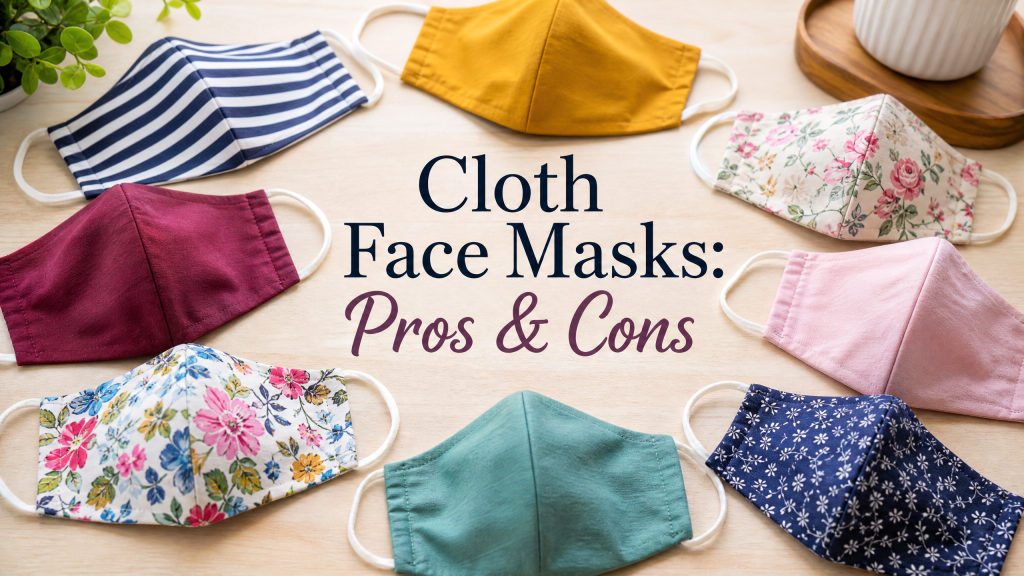
They are also widely available in different colors, patterns, and designs, allowing users to match them with personal style while maintaining practical protection. For many people, cloth masks are more comfortable for extended wear because the materials feel softer against the skin.
Another reason for their popularity is cost efficiency. Purchasing several reusable cloth face masks often costs less over time than continuously buying disposable products.
Benefits of Cloth Face Masks
Reusable and Eco-Friendly
One major advantage of reusable masks is waste reduction. Billions of disposable masks end up in landfills every year, while washable cloth face masks significantly reduce environmental impact.
A high-quality reusable mask can replace dozens or even hundreds of single-use masks over its lifespan. This makes them a more sustainable choice for environmentally conscious consumers.
Comfortable for Daily Wear
Comfort is one of the strongest selling points of cloth face masks. Soft fabrics such as cotton, bamboo blends, and moisture-wicking materials are gentler on the skin than many disposable alternatives.
Features that improve comfort include:
- Adjustable ear loops
- Breathable fabric layers
- Flexible nose wires
- Lightweight construction
- Moisture control linings
These features make reusable masks suitable for commuting, office work, shopping, and travel.
Cost-Effective Protection
Although premium reusable masks may cost more upfront, they save money in the long run. Instead of purchasing disposable products repeatedly, users can wash and reuse cloth face masks many times without losing functionality when cared for properly.
For families or individuals who wear masks regularly, reusable options are often the most economical solution.
Limitations of Cloth Face Masks
While reusable masks offer many benefits, they also have some limitations compared to medical-grade respirators.
Lower Filtration Than N95 Masks
Standard cloth face masks generally do not provide the same level of filtration as certified N95 or KN95 respirators. Their effectiveness depends heavily on fabric density, layering, and fit.
Single-layer cotton masks provide minimal filtration, while multi-layer designs with filter pockets perform significantly better.
Fit Can Affect Performance
Even high-quality masks lose effectiveness if they do not fit properly. Gaps around the nose or cheeks allow unfiltered air to enter and escape.
The best cloth face masks should:
- Cover the nose and chin fully
- Fit snugly against the cheeks
- Stay secure during movement
- Avoid constant slipping
A flexible nose bridge can greatly improve the seal and comfort.
Moisture Build-Up During Long Wear
Extended use may cause moisture accumulation from breathing and sweat. Damp masks become less comfortable and may reduce breathability over time.
Users should change or wash cloth face masks regularly, especially after long periods of wear or physical activity.
Choosing High-Quality Cloth Face Masks
Selecting the right reusable mask involves more than simply picking a style or color.
Look for Multiple Layers
Research consistently shows that multilayer cloth face masks provide better filtration than single-layer designs. Two or three tightly woven layers help block more airborne particles while maintaining breathability.
Prioritize Breathable Materials
The ideal mask balances airflow and protection. Cotton blends, performance fabrics, and moisture-wicking linings are commonly used in quality reusable masks.
Avoid materials that feel overly thick or difficult to breathe through during extended wear.
Consider Filter Pockets
Some cloth face masks include pockets for replaceable filters. These inserts can improve filtration performance while allowing the outer mask to remain washable and reusable.
Filter-equipped masks are especially useful in crowded environments or during allergy season.
Best Practices for Wearing Cloth Face Masks
Using masks correctly is just as important as choosing the right one.
Wash Hands Before Handling
Always clean your hands before putting on or removing reusable masks. This helps reduce contamination on the fabric surface.
Ensure Proper Coverage
The mask should fully cover your nose and mouth without leaving gaps along the edges. Properly fitted cloth face masks provide better protection and stay more comfortable during movement.
Avoid Touching the Front
During use, avoid touching the front surface unnecessarily. If adjustments are needed, use the ear loops or straps rather than grabbing the fabric directly.
Replace Damp Masks
A wet or sweaty mask becomes less comfortable and less effective. Carrying an extra mask is helpful for long days or outdoor activities.
Cleaning and Maintaining Reusable Masks
Proper care extends the lifespan of reusable masks while keeping them hygienic.
Washing Instructions
Wash cloth face masks after every use using warm water and mild detergent. Both machine washing and hand washing are generally acceptable for most fabric masks.
Allow masks to dry completely before reuse.
Storage Tips
Store clean masks in a dry, breathable container or fabric bag. Avoid sealing damp masks in plastic bags, as trapped moisture may encourage bacterial growth.
Inspect for Damage
Over time, reusable masks may stretch or lose shape. Replace masks if you notice:
- Frayed fabric
- Loose ear loops
- Reduced fit
- Torn seams
- Persistent odors
Worn-out cloth face masks provide less reliable performance.
Are Cloth Face Masks Good for Exercise?
Many people use reusable masks during walking, cycling, or gym workouts. Lightweight athletic versions are specifically designed to improve airflow and reduce moisture buildup.
However, thick fabrics may feel restrictive during intense workouts. Breathable cloth face masks made for sports or exercise generally perform better for active users.
If you experience dizziness or excessive breathlessness during physical activity, take a break in a safe area.
Comparing Cloth Masks to Disposable Masks
Reusable and disposable masks each have their advantages.
Cloth Masks
Pros:
- Reusable
- Eco-friendly
- Comfortable
- Stylish
- Cost-effective
Cons:
- Require washing
- Variable filtration
- Fit quality varies
Disposable Masks
Pros:
- Convenient
- Consistent filtration
- Lightweight
- No cleaning required
Cons:
- Higher long-term cost
- Environmental waste
- Less customizable
For many people, combining both options works best. Reusable cloth face masks are ideal for daily errands and casual use, while disposable respirators may be preferable in high-risk environments.
Common Questions About Cloth Face Masks
How Long Can Reusable Masks Last?
With proper washing and storage, quality masks can last for several months. Durability depends on fabric quality, frequency of use, and washing methods.
Are Cloth Masks Safe for Children?
Yes, properly sized reusable masks can be suitable for children in many situations. The key is ensuring a secure but comfortable fit that allows easy breathing.
Can Filters Improve Protection?
Yes, filter inserts can enhance the performance of cloth face masks by capturing smaller airborne particles. Replace filters regularly according to manufacturer recommendations.
Conclusion
Reusable masks continue to offer a practical balance of comfort, affordability, and sustainability. High-quality cloth face masks with multiple layers, breathable materials, and secure fit provide effective everyday protection for commuting, travel, shopping, and general public use.
While they may not replace medical-grade respirators in high-risk settings, reusable masks remain an excellent option for daily wear when used correctly and maintained properly. By choosing durable materials, washing masks regularly, and ensuring proper fit, users can maximize both comfort and protection in everyday life.
