Face Mask Benefits, Post
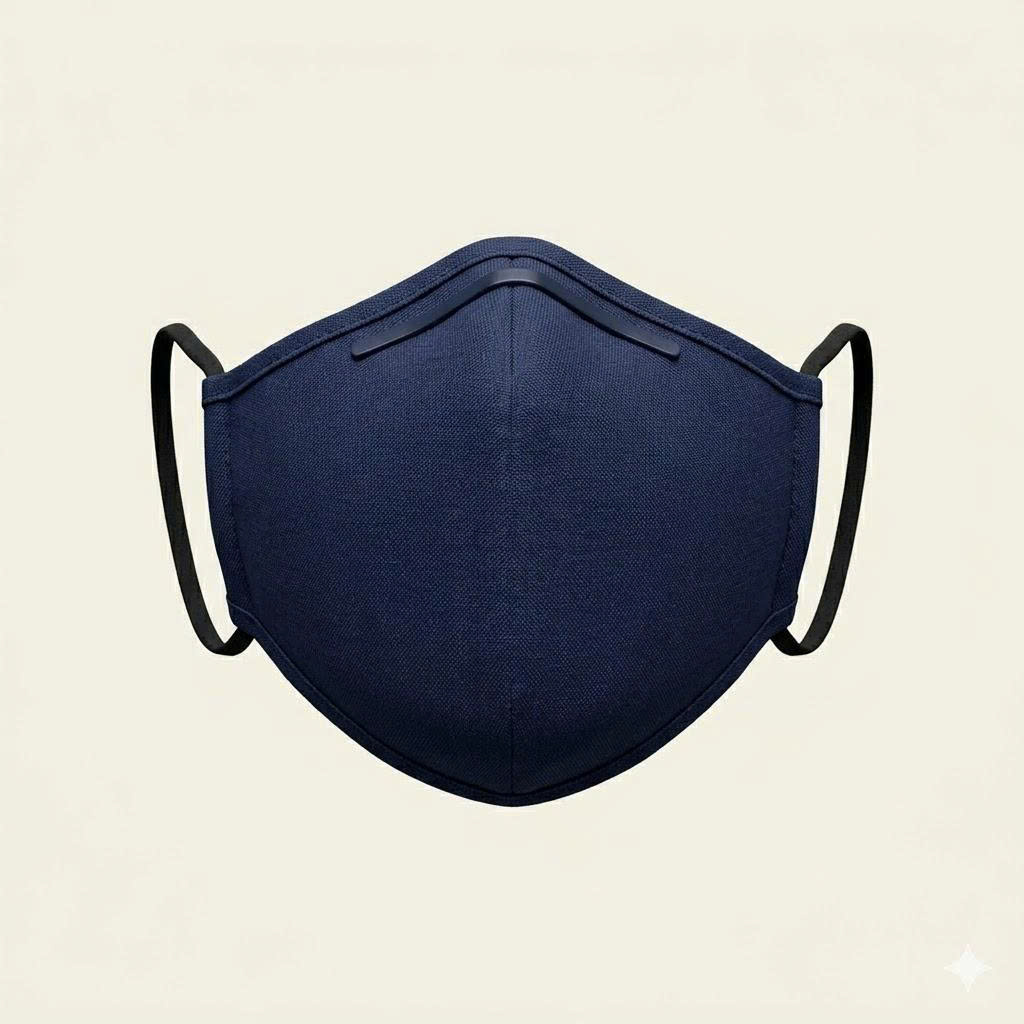
Washable Face Mask: Durable, Reusable, and Cost-Effective Protection
May
Washable Face Mask: Reusable Protection for Everyday Comfort

A washable face mask is a practical solution for people who want reliable daily protection without constantly purchasing disposable masks. As face masks become part of everyday routines, many users are choosing reusable options because they are cost-effective, comfortable, and environmentally friendly.
Unlike single-use masks, a washable face mask can be cleaned and reused multiple times while still providing dependable protection. This makes it an ideal choice for students, office workers, travelers, and anyone who wears a mask regularly.
Why a Washable Face Mask Is Becoming More Popular
The demand for reusable masks continues to grow because people want products that combine convenience with long-term value. Disposable masks may be practical for short-term situations, but repeated purchases can become expensive over time.
A reusable option helps reduce waste while offering consistent comfort for daily activities. Many modern masks are also designed with breathable fabrics and ergonomic fits, making them easier to wear for long hours.
Another reason many people prefer reusable masks is the wide variety of styles and materials available. From minimalist designs to breathable cotton fabrics, users can find options that match both their comfort needs and personal style.
Key Features of a Washable Face Mask
Multi-Layer Protection
A quality washable face mask should include multiple layers of fabric. These layers help improve filtration while still maintaining airflow for comfortable breathing.
A common structure includes:
- Outer layer for blocking larger particles
- Middle layer for added filtration
- Inner layer for comfort and moisture absorption
This balanced design helps support both safety and comfort.
Breathable Materials
Breathability is one of the most important factors in reusable masks. Lightweight fabrics such as cotton blends allow better airflow and reduce heat buildup during extended use.
A breathable design is especially useful for:
- Office workers
- Daily commuters
- Students
- People living in warm climates
Comfortable Fit
Comfort becomes essential when wearing a mask for several hours. Adjustable ear loops and flexible nose bridges help create a secure fit without excessive pressure.
A properly fitted mask also reduces the need for constant adjustments, improving both hygiene and convenience.
Durable Construction
Durability is another major advantage of reusable masks. A high-quality washable face mask should maintain its shape and performance even after repeated washing.
Strong stitching and quality fabric help extend the lifespan of the mask and provide better long-term value.
Benefits of Using a Washable Face Mask
Cost Savings Over Time
One of the biggest advantages of reusable masks is long-term affordability. Instead of purchasing disposable masks every day, users can reuse the same mask multiple times with proper cleaning.
Over several months, this can lead to significant savings.
Reduced Environmental Waste
Disposable masks contribute to growing environmental waste worldwide. Switching to reusable alternatives helps reduce the number of single-use products being discarded every day.
For environmentally conscious users, reusable masks are a more sustainable solution.
Better Comfort for Daily Wear
Many reusable masks use softer fabrics compared to disposable options. This makes them more comfortable for long periods of wear, especially during work, travel, or study.
Soft materials can also help reduce irritation and pressure marks on the skin.
Practical for Everyday Life
A washable face mask is easy to carry, easy to clean, and suitable for many environments. Whether you are commuting, shopping, or working indoors, reusable masks provide dependable daily protection.
How to Use a Washable Face Mask Correctly
Using your mask properly is important for maintaining hygiene and effectiveness.
Wash Hands Before Handling
Always clean your hands before putting on or removing your mask. This helps prevent contamination.
Ensure Full Coverage
Your mask should fully cover both the nose and mouth. Gaps around the sides reduce effectiveness.
Avoid Touching the Front
The outer surface may collect particles during use. Remove the mask using the ear loops or straps whenever possible.
Clean After Each Use
A reusable mask should be washed regularly to remove moisture, bacteria, and dirt buildup.
Proper habits improve both safety and comfort.
How to Clean a Washable Face Mask
Regular cleaning helps maintain filtration performance and hygiene.
Use Mild Detergent
Wash your mask with gentle soap or detergent to avoid damaging the fabric.
Warm Water Cleaning
Warm water helps remove dirt and bacteria more effectively.
Dry Completely
Always allow the mask to dry fully before wearing it again. Wearing a damp mask may reduce comfort and hygiene.
Store Properly
Keep clean masks in a dry and sanitary location to avoid contamination.
Common Mistakes to Avoid
Even a high-quality reusable mask can become less effective if used incorrectly.
Not Washing Frequently
Skipping regular cleaning allows bacteria and moisture to build up over time.
Wearing Damaged Masks
Masks with stretched ear loops, tears, or weakened fabric should be replaced.
Using Harsh Chemicals
Strong chemicals may damage the fabric and reduce the lifespan of the mask.
Poor Storage Habits
Throwing masks into pockets or bags without protection can expose them to dirt and bacteria.
Avoiding these mistakes helps maintain reliable daily protection.
Choosing the Right Washable Face Mask
Not every reusable mask offers the same level of quality. When selecting one, consider several important factors.
Material Quality
Soft and breathable materials improve comfort for long-term wear.
Layer Construction
Multiple layers provide better filtration compared to single-layer designs.
Fit and Adjustability
Look for masks with adjustable ear loops or flexible nose bridges for improved comfort and stability.
Ease of Maintenance
A reusable mask should remain durable after repeated washing.
Choosing the right option helps improve both comfort and performance.
Best Situations for Using Reusable Masks
A washable face mask is suitable for many daily activities and environments.
Office Use
Breathable reusable masks provide comfort during long workdays and meetings.
School and Study
Students benefit from reusable masks because they are comfortable for extended wear and easy to maintain.
Daily Commuting
Commuters traveling on buses, trains, or motorbikes can use reusable masks for reliable everyday protection.
Shopping and Public Spaces
Reusable masks provide a practical solution for crowded environments and routine errands.
Washable Face Mask vs Disposable Mask
Both reusable and disposable masks have advantages depending on the situation.
Reusable Masks
- Cost-effective over time
- Environmentally friendly
- Comfortable for long-term wear
- Available in many styles
Disposable Masks
- Convenient for single use
- No cleaning required
- Suitable for temporary situations
Choosing between them depends on your lifestyle and daily needs.
Skin Comfort and Breathability
Many users experience discomfort when wearing masks for long periods. A well-designed reusable mask can help reduce these problems.
Breathable fabrics improve airflow and reduce moisture buildup. Softer materials also help minimize irritation and pressure on sensitive skin.
For people who wear masks daily, comfort is just as important as protection.
Long-Term Value of Reusable Masks
Investing in a durable reusable mask provides long-term convenience and reliability. With proper care, one mask can last through many uses while maintaining comfort and effectiveness.
This makes reusable masks a practical solution for people seeking daily protection without ongoing replacement costs.
Conclusion
A washable face mask offers an ideal balance of comfort, durability, and sustainability. It allows users to enjoy reliable daily protection while reducing waste and saving money over time.
By choosing high-quality materials, maintaining proper hygiene, and cleaning masks regularly, you can improve both comfort and long-term performance.
Reusable masks are a smart choice for modern daily life, especially for people who prioritize practicality and environmental responsibility.
CTA (Call To Action)
Upgrade your daily protection with a high-quality washable face mask today. Choose reusable comfort, reliable performance, and eco-friendly convenience for everyday life.
