Post
N95 Face Mask: 7 Powerful Reasons Why It’s the Best Choice for Safety
Jun
What Makes the N95 Face Mask the Gold Standard in Respiratory Protection?
The N95 face mask is recognized globally as one of the most effective forms of personal respiratory protection. Unlike ordinary surgical masks or cloth coverings, the N95 mask filters at least 95% of airborne particles, including very fine particles that most masks cannot capture. This extraordinary filtration capability is the primary reason healthcare professionals, industrial workers, and safety-conscious individuals consistently choose the N95 mask. link. site
Understanding what the N95 mask is, how it works, and why it outperforms alternatives is essential knowledge for anyone serious about protecting their respiratory health. In this article, we break down seven compelling reasons the N95 mask deserves its sterling reputation.
7 Powerful Reasons to Choose the N95 Face Mask
Reason 1: Superior Filtration Efficiency
The defining feature of every N95 mask is its ability to filter a minimum of 95% of airborne particles as small as 0.3 microns. This is significantly more effective than standard surgical masks, which typically filter only 60-80% of particles. The N95 face mask achieves this through multiple layers of electrostatically charged polypropylene fibers that capture particles via a combination of mechanical filtration and electrostatic attraction.
For comparison, the N95 mask filters both large respiratory droplets and fine aerosols, making it effective against a much wider spectrum of airborne hazards than most alternatives.
Reason 2: NIOSH Certification Guarantees Quality
Every legitimate N95 mask is certified by the National Institute for Occupational Safety and Health (NIOSH). This federal agency rigorously tests the N95 mask for filtration efficiency, breathability, and structural integrity before granting certification. When you purchase a NIOSH-certified N95 mask, you have strong assurance that it meets strict performance standards.
Counterfeit products flood the market, so always verify the NIOSH approval number printed on any N95 mask you purchase. The CDC maintains a searchable database of all genuine approved N95 mask products.
Reason 3: Protection Against a Wide Range of Hazards
The N95 mask was originally developed for industrial settings where workers face dust, fumes, and fine particulate matter. Today, the N95 mask protects against wildfire smoke, construction dust, allergens, pollen, and airborne pathogens. This versatility makes the N95 mask one of the most universally useful protective devices ever developed.
Whether you are in a hospital, a wood shop, a wildfire evacuation zone, or a heavily polluted city, the N95 mask provides meaningful protection where other masks fall short.
Reason 4: Tight Facial Seal Prevents Leakage
A critical advantage of the N95 face mask is its design emphasis on achieving a tight facial seal. Unlike loose-fitting surgical masks, the N95 face mask conforms to the contours of your face, minimizing air leakage around the edges. This seal is so important that OSHA requires fit testing when workers use the N95 face mask in occupational settings.
Without a proper seal, even a highly rated N95 face mask loses much of its protective value. Taking time to properly don and adjust your N95 face mask is essential for achieving the protection it promises.
Reason 5: Trusted in Healthcare Settings Worldwide
Hospitals and clinics worldwide rely on the N95 mask as a frontline protective device for healthcare workers. During infectious disease outbreaks, health authorities specifically recommend the N95 mask for workers in close contact with infected patients. This institutional trust reflects decades of evidence demonstrating the N95 mask’s effectiveness in high-risk environments.
The COVID-19 pandemic brought the N95 mask into public consciousness, but healthcare systems have relied on the N95 face mask for respiratory protection in surgical theaters and infectious wards for generations.
Reason 6: Available in Multiple Styles for Different Needs
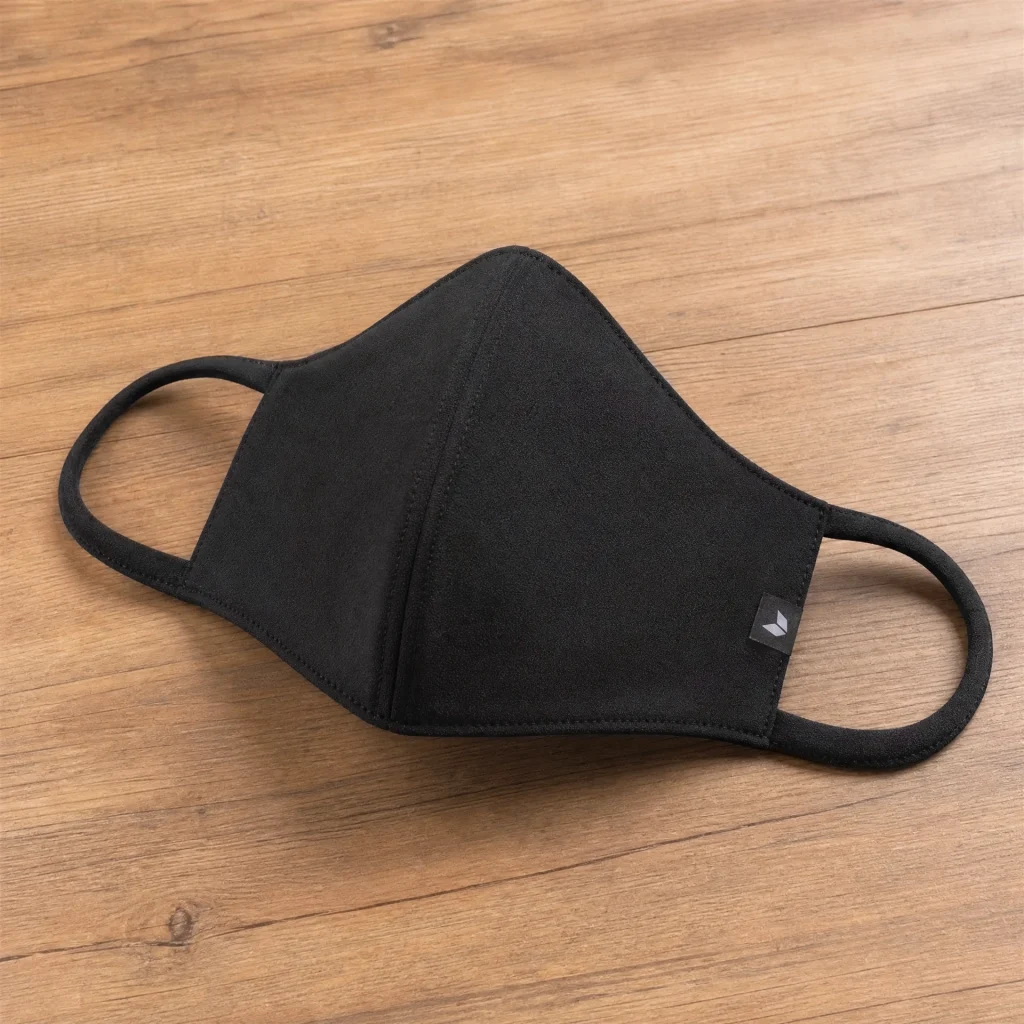
The N95 mask is not a single design but a category of protective respirators. You can find the N95 mask in cup-shaped designs, flat-fold designs, and valved versions that make exhalation easier. Some N95 mask models include exhalation valves that reduce heat and moisture buildup inside the mask, improving comfort during long wear periods.
Whether you prefer ear loops or headbands, a compact flat-fold or a structured cup, there is an N95 mask design to match your preference and intended use.
Reason 7: Long-Term Cost Efficiency
While the N95 face mask typically costs more per unit than surgical masks, its superior protection per use means fewer health-related costs over time. For workers in hazardous environments, using a properly rated N95 face mask prevents costly occupational illnesses. For everyday users during periods of elevated air pollution or disease transmission, the N95 mask represents excellent value for the protection it delivers.
Bulk purchasing of the N95 face mask further reduces per-unit costs, making them more accessible for families and organizations that need regular respiratory protection.
How to Identify a Genuine N95 Face Mask
The market for respiratory protection includes many counterfeit and substandard products. Here is how to verify you are purchasing a genuine N95 mask:
- Check the NIOSH approval number printed on the N95 mask and verify it on the CDC website.
- Look for the NIOSH logo on the N95 mask packaging and the mask itself.
- Genuine N95 mask products will have legible, clear markings that do not smear or fade.
- Be suspicious of any N95 mask sold at dramatically below-market prices.
- Purchase your N95 mask from established retailers, medical supply companies, or directly from certified manufacturers.
N95 Face Mask vs. KN95 vs. Surgical Mask: Understanding the Differences
Confusion about mask standards is common. Here is a clear breakdown comparing the N95 mask to similar products:
N95 Face Mask vs. KN95
The KN95 is the Chinese standard equivalent to the N95 mask, also targeting 95% filtration. However, the N95 mask is certified by NIOSH under U.S. standards, while the KN95 is certified by Chinese regulators. Both are effective, but the N95 mask has more robust third-party verification infrastructure within the United States.
N95 Face Mask vs. Surgical Mask
Surgical masks are loose-fitting and do not form a tight seal with the face. The N95 mask provides significantly more protection because it seals to the face and filters fine particles. Surgical masks primarily protect others from the wearer’s respiratory droplets, while the N95 mask protects the wearer from both inhaled and exhaled particles.
Proper Care and Disposal of the N95 Face Mask
The N95 face mask is technically disposable but can often be safely worn for multiple sessions if not visibly damaged or soiled. Follow these guidelines for responsible use:
- Store your N95 mask in a clean paper bag between uses to allow it to air out.
- Never share your N95 mask with another person.
- Inspect your N95 mask before each use for tears, cracks, or deformed straps.
- Discard your N95 mask immediately if it becomes wet, dirty, or difficult to breathe through.
- Do not wash or microwave your N95 mask — this can damage the electrostatic filtration layer.
Conclusion: The N95 Face Mask Remains the Best Respiratory Protection
For anyone who takes respiratory health seriously, the N95 mask is an indispensable tool. Its certified filtration efficiency, tight facial seal, institutional trust, and versatility make it the clear choice for protection against airborne hazards. Whether you are a healthcare worker, an outdoor enthusiast in wildfire-prone areas, or simply a health-conscious individual, investing in a genuine N95 face mask is one of the most impactful decisions you can make for your wellbeing.
