Post, Face Mask Benefits
Kids Face Mask: How to Choose Safe and Comfortable Masks for Children
May
Best Kids Face Mask: Comfortable and Reliable Protection for Children

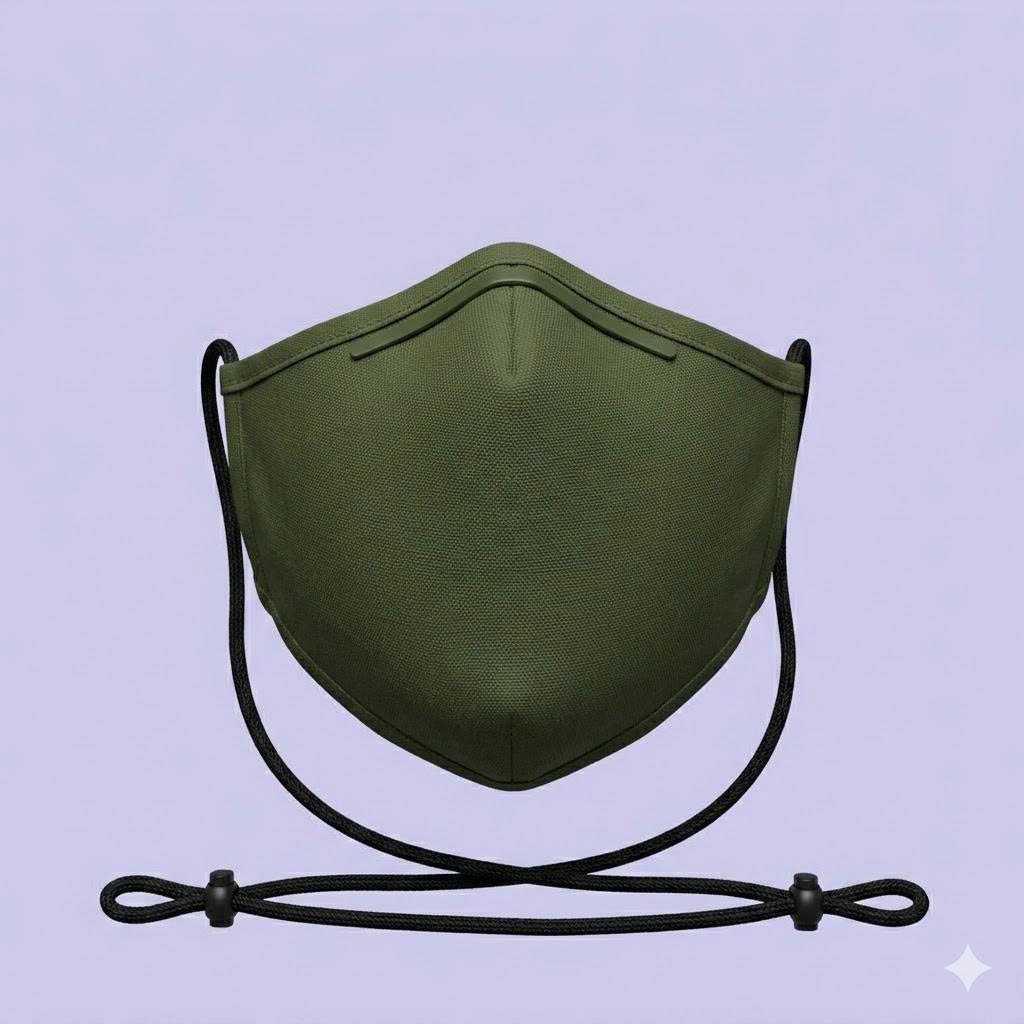
Choosing the right kids face mask is essential for protecting children while ensuring they stay comfortable throughout the day. Unlike adults, children are more sensitive to heat, tightness, and discomfort. If a mask feels irritating or difficult to wear, children may refuse to keep it on for long periods.
A well-designed kids face mask helps protect children from dust, pollution, and airborne particles while remaining lightweight, breathable, and comfortable. Parents should focus on safety, fit, material quality, and ease of use when selecting the best mask for their child.
In this guide, you will learn why children need masks, the most important features to look for, different types of masks available, and practical tips to help children wear masks comfortably every day.
Why Children Need a Face Mask
Children spend time in many busy environments where exposure to dust, pollution, and airborne particles is common.
These environments include:
- Schools
- Public transportation
- Shopping areas
- Playgrounds
- Indoor classrooms
- Crowded public spaces
A kids face mask creates a protective barrier that helps reduce exposure to harmful particles while supporting healthier daily habits.
Masks are especially useful for:
- School attendance
- Daily commuting
- Outdoor activities
- Family travel
- Crowded indoor environments
Teaching children to wear masks responsibly can also encourage long-term hygiene awareness.
Why Comfort Matters for Children
Children are less likely to wear masks consistently if they feel uncomfortable.
A poor-quality mask may cause:
- Skin irritation
- Difficulty breathing
- Excessive heat
- Pressure around the ears
- Constant adjustment
A comfortable kids face mask improves the likelihood that children will wear it properly throughout the day.
Comfort is just as important as protection when choosing a mask for children.
Key Features of a Good Kids Face Mask
Not all masks are designed for children. The best masks combine safety, comfort, and child-friendly design.
Proper Size and Fit
A kids face mask should be specifically made for children rather than adapted from adult sizes.
Adult masks are usually:
- Too loose
- Too large
- Less effective for smaller faces
A properly fitted mask should:
- Cover the nose and mouth completely
- Stay secure during movement
- Avoid large gaps around the face
Correct sizing improves both comfort and protection.
Soft and Skin-Friendly Materials
Children often have sensitive skin that may react to rough fabrics.
Soft materials such as cotton are ideal because they:
- Reduce irritation
- Feel comfortable on the skin
- Improve breathability
- Allow longer wear
A gentle inner lining helps prevent redness and discomfort.
Breathability
Breathing comfort is extremely important for children.
A breathable kids face mask allows easier airflow while still providing protection.
Breathable masks help reduce:
- Heat buildup
- Moisture accumulation
- Complaints about discomfort
Children are more likely to wear masks consistently when breathing feels natural and comfortable.
Lightweight Construction
Heavy masks may feel uncomfortable or restrictive for younger users.
Lightweight masks are easier for children to wear during:
- School hours
- Outdoor activities
- Daily travel
- Long periods of use
A lightweight design improves overall comfort and usability.
Types of Kids Face Masks
There are several different mask styles suitable for children.
Cloth Masks
Cloth masks are one of the most popular choices for daily use.
Benefits include:
- Reusable design
- Comfortable fabrics
- Washable materials
- Wide variety of colors and patterns
A cloth kids face mask is ideal for school and everyday activities.
Disposable Masks
Disposable masks are convenient for short-term use or travel.
Advantages include:
- Easy replacement
- No cleaning required
- Convenient for emergencies
However, they require frequent replacement and create more waste.
Anti-Pollution Masks
Some masks are designed for areas with higher pollution levels.
These masks usually provide:
- Better filtration
- Improved fit
- Enhanced protection against dust and pollution
An anti-pollution kids face mask is especially useful in busy urban environments.
How to Teach Children to Wear a Mask
Helping children adapt to mask-wearing may take patience and encouragement.
Explain the Importance Simply
Use age-appropriate language to explain why masks are helpful.
Simple explanations are easier for children to understand and accept.
Let Children Choose Their Design
Allowing children to choose their favorite color or pattern can make masks feel more fun and personal.
Many children enjoy masks featuring:
- Bright colors
- Cartoon characters
- Animal prints
- Fun designs
A personalized kids face mask often increases willingness to wear it.
Practice at Home
Introduce masks gradually in a comfortable environment.
Short practice sessions help children become familiar with wearing masks before using them in public.
Use Positive Reinforcement
Praise and encouragement can help build positive habits.
Making mask-wearing feel normal and rewarding improves consistency.
Common Problems and Solutions
Children may experience challenges when wearing masks, but many issues can be solved easily.
Discomfort
Problem:
Masks feel rough or irritating.
Solution:
Choose softer materials such as cotton.
Difficulty Breathing
Problem:
Children complain about restricted airflow.
Solution:
Use breathable and lightweight masks designed for children.
Refusal to Wear the Mask
Problem:
Children remove masks frequently.
Solution:
Use fun colors, comfortable designs, and gradual practice.
A comfortable kids face mask makes adaptation much easier.
Safety Tips for Kids Face Masks
Safety should always remain the highest priority when choosing and using masks for children.
Use Clean Masks Daily
Dirty masks collect moisture, bacteria, and dust.
Always provide clean masks for daily use.
Avoid Masks That Are Too Tight
Masks should fit securely without creating excessive pressure.
Overly tight masks may cause discomfort and irritation.
Replace Damaged Masks
Masks with stretched straps, torn fabric, or poor fit should be replaced promptly.
Supervise Younger Children
Younger children may require assistance with proper mask use and removal.
Parental supervision helps ensure safe and correct usage.
Benefits of Using a Kids Face Mask
A high-quality kids face mask provides several important benefits.
Protection Against Dust and Pollution
Masks help reduce exposure to airborne particles during daily activities.
Improved Comfort in Crowded Areas
Children may feel more comfortable and protected in busy environments.
Encourages Healthy Habits
Teaching mask use promotes hygiene awareness and personal responsibility.
Supports Daily Activities
Comfortable masks allow children to participate more easily in:
- School
- Travel
- Outdoor activities
- Family outings
Better Overall Well-Being
A properly fitted mask helps children stay comfortable while maintaining protection.
These advantages make masks an important part of modern daily life for many families.
How to Choose the Best Kids Face Mask
Selecting the best mask involves several important factors.
Consider the Child’s Age and Size
Different age groups require different mask sizes for proper fit.
Focus on Comfort
Children are more likely to wear comfortable masks consistently.
Look for:
- Soft fabrics
- Lightweight design
- Adjustable straps
Evaluate Breathability
Good airflow improves comfort during long periods of use.
Check Material Quality
Durable and washable materials provide better long-term value.
Consider the Child’s Preferences
Children often respond better to masks they personally like.
Allowing them to participate in the selection process can improve cooperation.
A carefully selected kids face mask supports both comfort and daily protection.
Tips for Parents
A few simple habits can improve the overall mask-wearing experience for children.
Carry Extra Masks
Children may need a replacement mask if one becomes wet or dirty.
Wash Reusable Masks Regularly
Clean masks improve hygiene and comfort.
Teach Proper Handling
Show children how to:
- Wear masks correctly
- Remove masks safely
- Store masks properly
Good habits improve both safety and confidence.
Conclusion
A kids face mask is an important tool for helping protect children in schools, public spaces, and daily activities. Choosing the right size, breathable material, and comfortable design helps children wear masks more consistently and comfortably.
By focusing on comfort, hygiene, and proper fit, parents can help children stay protected while building healthy habits for the future.
A high-quality kids mask provides the perfect balance between safety, comfort, and practicality for everyday life.
Keep Your Child Comfortable and Protected
Choose a premium kids face mask today to provide your child with comfortable, breathable, and reliable daily protection. Help them stay safe, confident, and comfortable wherever they go.
