Post
Ec0-Friendly Solutions to Reduce the Environmental Impact Face Masks
May
The Environmental Impact of Face Masks: What You Should Know
Face masks have become an essential part of modern life, helping protect people from dust, pollution, and airborne particles. However, the rapid increase in mask usage has also created concerns about waste and sustainability. Understanding the environmental impact face masks can have is important for making smarter and more responsible choices.
From disposable products to reusable alternatives, every type of mask affects the environment differently. By learning about materials, waste management, and sustainable options, consumers can reduce their environmental footprint while maintaining daily protection.
Understanding the Environmental Impact of Face Masks
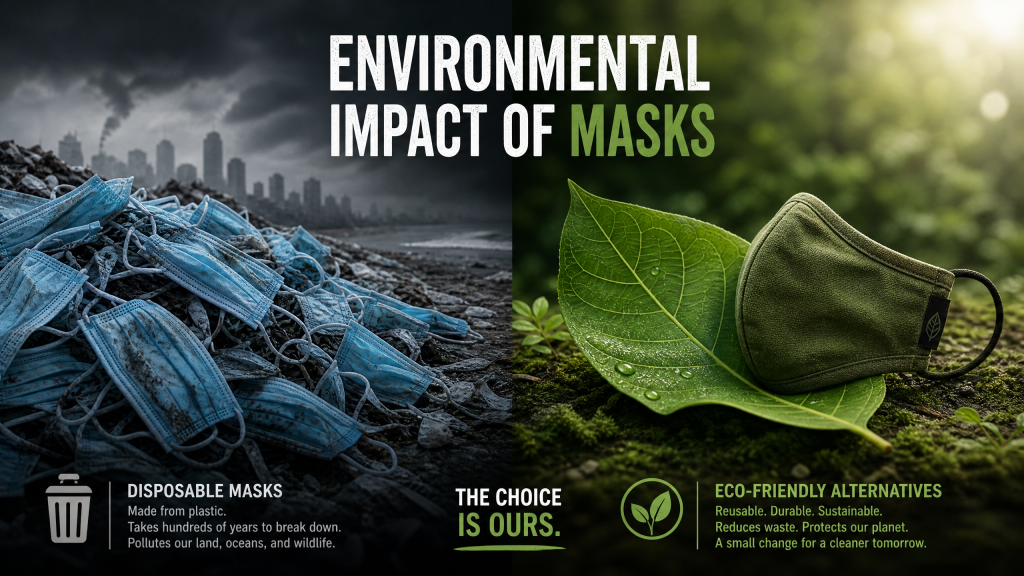
The global demand for masks has grown dramatically in recent years. Millions of disposable masks are used every day, and many end up in landfills, streets, rivers, and oceans. Because most disposable masks contain plastic-based materials, they can take years to decompose.
The environmental impact face masks create often includes:
- Increased plastic waste
- Pollution in waterways and oceans
- Harm to wildlife and marine ecosystems
- Higher energy use during manufacturing
These concerns have encouraged many people to seek more eco-friendly solutions.
Types of Face Masks and Their Environmental Effects
Disposable Masks
Disposable masks are convenient and widely available. They are commonly made from non-woven polypropylene, a type of plastic material.
Advantages include:
- Easy to use
- Hygienic for short-term wear
- Lightweight and affordable
However, disposable masks generate significant waste because they are designed for single use.
Reusable Cloth Masks
Reusable cloth masks are considered a more sustainable option. They can be washed and reused multiple times, reducing the amount of daily waste.
Benefits include:
- Lower environmental waste
- Long-term cost savings
- Reduced dependence on single-use products
Proper care and cleaning help maintain their effectiveness over time.
Masks with Replaceable Filters
Some reusable masks include filter pockets with replaceable inserts. These products offer a balance between sustainability and enhanced filtration.
While filters still create some waste, the reusable outer mask significantly reduces overall disposal.
Why Sustainable Mask Choices Matter
Choosing environmentally responsible products can make a major difference over time. When millions of people switch from single-use products to reusable alternatives, waste reduction becomes significant.
Reducing the environmental impact face masks create helps:
- Lower plastic pollution
- Reduce landfill waste
- Support sustainable manufacturing
- Encourage responsible consumer habits
Small daily choices can have long-term environmental benefits.
Materials Used in Eco-Friendly Masks
Organic Cotton
Organic cotton is a popular sustainable material because it is breathable, washable, and biodegradable. It also reduces the use of harmful chemicals during production.
Recycled Fabrics
Some manufacturers produce masks using recycled polyester or repurposed textiles. This reduces waste and conserves raw materials.
Biodegradable Materials
Certain modern masks are designed to break down naturally over time, helping reduce long-term pollution.
Choosing masks made from sustainable materials helps minimize the environmental impact face masks may cause after disposal.
The Problem with Improper Disposal
One of the biggest environmental concerns is improper mask disposal. Used masks are often thrown on streets, sidewalks, and public spaces instead of proper waste bins.
Improper disposal can lead to:
- Blocked drainage systems
- Ocean pollution
- Wildlife entanglement
- Microplastic contamination
Disposable masks may break into smaller plastic particles over time, contributing to environmental damage.
How to Dispose of Masks Responsibly
Proper disposal is essential for reducing pollution. Follow these simple steps:
- Place used disposable masks in a closed trash bin
- Cut ear loops before disposal to protect wildlife
- Avoid littering in public spaces
- Store reusable masks properly after washing
Responsible disposal habits help reduce environmental harm significantly.
Reusable Masks vs Disposable Masks
Environmental Benefits of Reusable Masks
Reusable masks help reduce waste because they can be used repeatedly. One washable mask may replace dozens or even hundreds of disposable masks over time.
Advantages include:
- Less landfill waste
- Lower plastic consumption
- Reduced manufacturing demand
Convenience of Disposable Masks
Disposable masks remain useful for medical settings and short-term situations. However, their environmental cost is much higher due to frequent replacement.
Balancing convenience and sustainability is important when selecting the right option.
How Manufacturers Are Improving Sustainability
Many companies are now focusing on eco-conscious production methods. Modern innovations include:
- Recyclable packaging
- Biodegradable mask materials
- Reduced plastic usage
- Sustainable manufacturing processes
These improvements aim to lower the environmental impact face masks have on the planet while still maintaining protection and comfort.
Tips for Choosing More Sustainable Masks
When selecting a mask, consider the following:
Choose Reusable Designs
Reusable masks reduce daily waste and save money over time.
Look for Sustainable Materials
Organic cotton, recycled fabrics, and biodegradable materials are better for the environment.
Prioritize Durability
A durable mask lasts longer and reduces replacement frequency.
Buy from Responsible Brands
Some manufacturers focus on ethical sourcing and environmentally friendly production practices.
Making informed decisions helps reduce unnecessary waste.
Reducing Waste Through Proper Maintenance
Maintaining reusable masks properly extends their lifespan and improves sustainability.
Washing Tips
- Use mild detergent
- Wash regularly after use
- Avoid harsh chemicals
- Air dry completely before reuse
Storage Tips
- Store in a clean, dry place
- Avoid damp environments
- Keep masks protected from dirt and contamination
Good maintenance habits reduce the need for frequent replacement.
The Future of Sustainable Face Masks
As environmental awareness grows, the mask industry continues to evolve. Future developments may include:
- Fully biodegradable masks
- Advanced reusable filtration systems
- Compostable packaging
- More sustainable manufacturing technologies
These innovations aim to provide effective protection while minimizing environmental damage.
Consumer demand for sustainable products will continue driving positive change in the industry.
Balancing Protection and Sustainability
While sustainability is important, protection should never be ignored. The best approach is finding a balance between effective filtration, comfort, and environmental responsibility.
For daily use, reusable masks with quality materials often provide an excellent balance between safety and sustainability.
Understanding the environmental impact face masks create allows consumers to make smarter and more responsible decisions.
Conclusion
Face masks remain an important part of daily life, but their environmental effects should not be overlooked. Disposable masks contribute to growing plastic waste, while reusable and eco-friendly alternatives offer more sustainable solutions.
By choosing reusable products, disposing of masks responsibly, and supporting sustainable materials, individuals can help reduce pollution and protect the environment. Small changes in daily habits can create a meaningful long-term impact.
CTA (Call To Action)
Choose sustainable protection today with eco-friendly and reusable face masks. Reduce waste, stay protected, and help create a cleaner future for everyone.
