Post, Face Mask Benefits
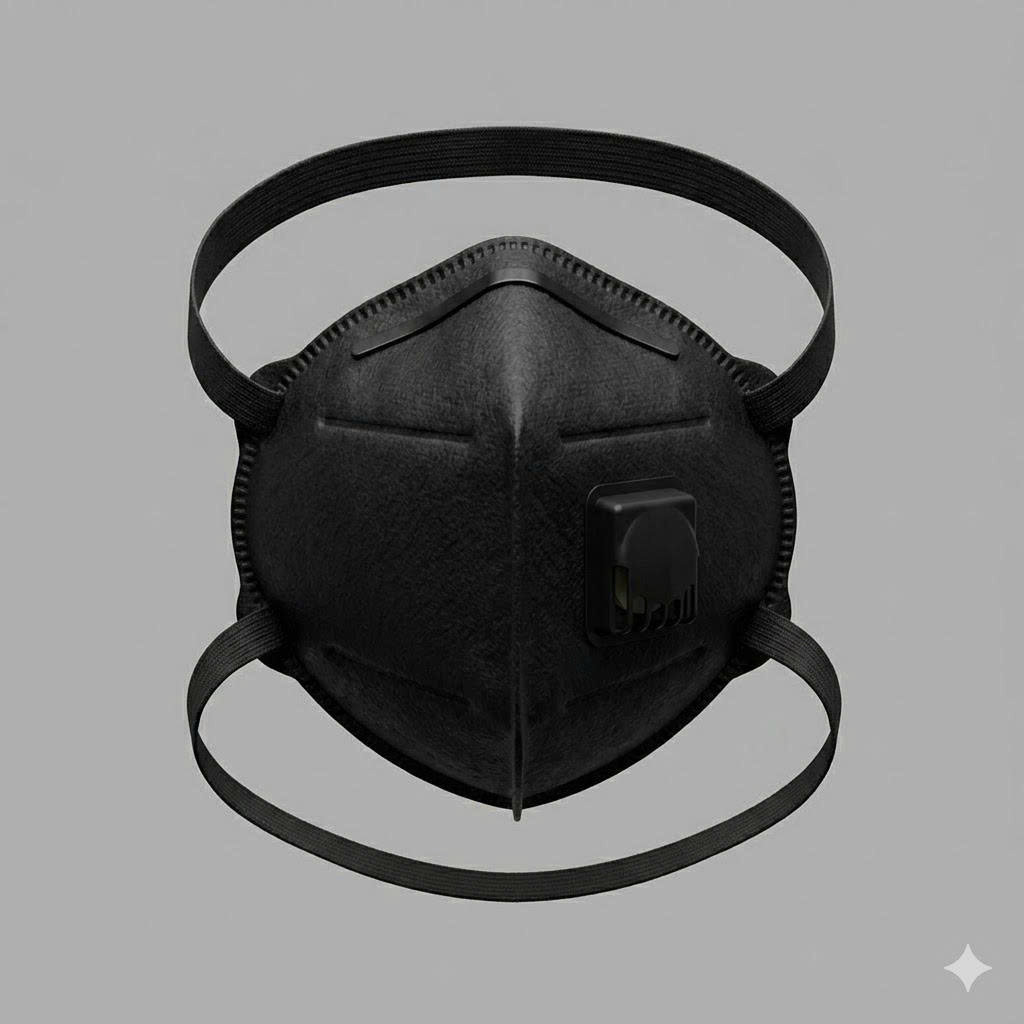
Dust Protection Mask: Essential Guide for Clean and Safe Breathing
May
Ultimate Dust Protection Mask Guide: Breathe Safer in Dusty Environments

A dust protection mask is an essential item for anyone regularly exposed to dust, dirt, and airborne particles. Whether you work outdoors, commute through polluted streets, ride a motorbike, or spend time in construction environments, continuous exposure to dust can negatively affect your health over time.
Fine dust particles are often invisible to the naked eye, but they can enter your respiratory system and cause discomfort or long-term breathing problems. Using a high-quality dust protection mask helps reduce these risks while improving breathing comfort throughout the day.
Choosing the right mask is important because not all masks provide the same level of filtration, comfort, or durability. A properly designed dust mask balances protection and breathability, making it easier to wear for long periods.
In this guide, you will learn why dust masks matter, how they work, the best types of masks available, key features to look for, and how to choose the best dust protection mask for your daily needs.
Why You Need a Dust Protection Mask
Dust exposure happens in many everyday situations.
Common sources of dust include:
- Construction sites
- Traffic pollution
- Industrial work environments
- Outdoor cleaning activities
- Road dust
- Woodworking and renovation projects
Although dust may appear harmless, repeated exposure can cause respiratory irritation and other health concerns.
A high-quality dust protection mask creates a barrier that filters harmful particles before they reach your lungs.
Dust masks are especially important for:
- Construction workers
- Motorbike riders
- Outdoor laborers
- Factory workers
- Daily commuters
- People living in polluted urban areas
Regular use helps support better respiratory health and cleaner breathing.
How Dust Affects Your Health
Fine dust particles can travel deep into the respiratory system.
Long-term exposure may contribute to:
- Coughing
- Throat irritation
- Breathing discomfort
- Allergic reactions
- Respiratory sensitivity
A reliable dust protection mask helps reduce the amount of harmful particles you inhale each day.
This becomes even more important in heavily polluted or dusty environments.
How a Dust Protection Mask Works
A dust mask works by filtering airborne particles before they enter the nose and mouth.
Most masks use multiple protective layers.
Outer Layer
The outer layer blocks larger dust particles and environmental debris.
Middle Filtration Layer
The middle layer captures finer particles and improves filtration efficiency.
Some advanced masks include specialized filters for better protection.
Inner Comfort Layer
The inner layer focuses on comfort and moisture control while remaining soft against the skin.
A properly designed dust protection mask combines filtration and comfort to support long-term daily use.
Key Features of a Good Dust Protection Mask
Not all masks are suitable for dusty environments.
The best masks provide a balance between protection, breathability, and comfort.
High Filtration Efficiency
Filtration is the most important feature of a dust mask.
A quality dust protection mask should effectively block fine particles without restricting airflow too much.
Multi-layer designs generally offer stronger protection.
Breathability
Even with strong filtration, a mask should remain breathable.
Good airflow helps:
- Reduce discomfort
- Improve long-term wear
- Lower heat buildup
- Prevent breathing fatigue
Breathability is especially important for workers and commuters wearing masks for extended periods.
Comfortable and Secure Fit
A secure fit improves effectiveness by reducing gaps around the nose and mouth.
Features that improve fit include:
- Adjustable straps
- Flexible nose bridge
- Ergonomic shape
A comfortable dust protection mask stays in place without constant adjustment.
Durable Construction
Frequent use requires strong and reliable materials.
Durable masks maintain their shape and performance even after repeated use or cleaning.
Types of Dust Protection Masks
Different environments require different levels of protection.
Disposable Dust Masks
Disposable masks are lightweight and convenient for short-term use.
Benefits include:
- Easy replacement
- Hygienic use
- Lightweight design
- Simple storage
Disposable dust protection mask options are suitable for:
- Quick tasks
- Occasional dusty work
- Temporary exposure
However, they should not be reused excessively.
Reusable Dust Masks
Reusable masks are more cost-effective for long-term use.
Advantages include:
- Long-term savings
- Better durability
- Environmentally friendly use
- Comfortable materials
Reusable masks require regular cleaning to maintain effectiveness.
Filter Dust Masks
Filter masks provide enhanced protection in heavy dust environments.
These masks often include:
- Replaceable filters
- Multi-layer filtration
- Advanced particle-blocking technology
A filter-based dust protection mask is ideal for construction, industrial work, and polluted urban environments.
Best Materials for Dust Protection Masks
Material quality significantly affects comfort and filtration performance.
Cotton Blends
Cotton blends provide:
- Softness
- Breathability
- Skin comfort
These masks are suitable for light dust exposure and everyday use.
Non-Woven Filtration Materials
Non-woven fabrics improve particle filtration while remaining lightweight.
These materials are commonly used in disposable masks.
Multi-Layer Performance Fabrics
Multi-layer fabrics balance:
- Breathability
- Filtration
- Comfort
- Durability
A multi-layer dust protection mask is often the best choice for daily use in dusty environments.
How to Use a Dust Protection Mask Properly
Correct usage is important for maximum effectiveness.
Wear the Mask Before Entering Dusty Areas
Put on your mask before exposure begins.
This prevents unnecessary inhalation of airborne particles.
Ensure Full Coverage
The mask should completely cover:
- Nose
- Mouth
- Chin
A secure seal improves filtration performance.
Adjust for a Proper Fit
Loose masks reduce effectiveness.
Adjust straps and nose clips to achieve a snug but comfortable fit.
Avoid Touching the Front Surface
The outer surface may collect dust and contaminants.
Handle the mask using the straps whenever possible.
Replace or Clean Regularly
Disposable masks should be replaced when dirty or damaged.
Reusable masks should be cleaned frequently.
A clean dust protection mask maintains better hygiene and airflow.
Common Mistakes to Avoid
Many users reduce mask effectiveness through improper habits.
Wearing the Mask Loosely
Gaps allow particles to enter around the edges.
Reusing Disposable Masks Excessively
Disposable masks lose effectiveness after extended use.
Ignoring Regular Cleaning
Dirty reusable masks may become uncomfortable and less hygienic.
Using Damaged Masks
Masks with stretched straps or damaged fabric should be replaced.
Avoiding these mistakes helps maintain proper protection.
Benefits of Using a Dust Protection Mask
A quality dust protection mask provides many advantages.
Protects the Respiratory System
Masks help reduce inhalation of harmful particles.
Improves Breathing Comfort
Cleaner airflow supports more comfortable breathing.
Suitable for Daily and Professional Use
Dust masks work well for:
- Work environments
- Commuting
- Outdoor activities
- Urban travel
Reduces Exposure to Pollution
Masks help minimize contact with polluted air and airborne debris.
Improves Long-Term Comfort
Breathable materials support extended daily wear.
These benefits make dust masks essential for many lifestyles and professions.
Who Should Use a Dust Protection Mask
A dust mask is useful for anyone regularly exposed to airborne particles.
Construction Workers
Construction sites often produce high levels of dust and debris.
Motorbike Riders
Road dust and traffic pollution increase daily exposure.
Outdoor Workers
Landscaping, cleaning, and outdoor labor may involve heavy dust contact.
Urban Commuters
Busy city environments often contain high pollution levels.
People with Respiratory Sensitivity
Sensitive individuals may benefit from improved filtration and cleaner breathing.
A reliable dust protection mask helps support daily comfort and protection in these situations.
How to Choose the Best Dust Protection Mask
Selecting the right mask depends on your environment and usage needs.
Consider Exposure Level
Heavy dust environments may require stronger filtration systems.
Evaluate Breathability
Comfort is essential for long-term wear.
Decide Between Disposable and Reusable
Frequent users may benefit from reusable masks.
Check Fit and Design
A secure fit improves both comfort and effectiveness.
Choose Durable Materials
High-quality materials improve long-term performance.
Choosing the right dust protection mask helps ensure safer and more comfortable breathing.
Maintenance Tips for Dust Protection Masks
Proper maintenance extends the lifespan and effectiveness of your mask.
Clean Reusable Masks Regularly
Wash reusable masks after use to remove dust and contaminants.
Replace Filters When Needed
Filter masks require regular filter replacement for optimal performance.
Store in a Clean and Dry Place
Proper storage helps maintain hygiene and material quality.
Inspect for Damage
Check straps, stitching, and filter layers regularly.
Maintaining your dust protection mask properly ensures consistent protection.
Dust Protection Masks for Daily Commuting
Daily commuters are often exposed to:
- Vehicle emissions
- Road dust
- Urban pollution
- Construction debris
A lightweight and breathable dust protection mask helps improve comfort during travel while reducing exposure to airborne particles.
This is especially useful for:
- Motorbike riders
- Cyclists
- Pedestrians
- Public transportation users
Conclusion
A dust protection mask is a simple but highly effective tool for protecting your respiratory health in dusty and polluted environments. Whether you work outdoors, commute daily, or live in a busy urban area, the right mask can significantly reduce exposure to harmful particles.
By choosing a comfortable, breathable, and properly fitted mask, you can improve both safety and daily comfort while supporting better long-term health.
Investing in a high-quality dust mask is a smart step toward cleaner breathing and healthier living every day.
Protect Your Lungs with Reliable Daily Protection
Choose a premium dust protection mask today for safer breathing, better comfort, and reliable protection against dust, dirt, and airborne particles wherever you go.
