Post, Face Mask Benefits
Best Face Mask for Pollution: Complete Guide to Clean and Safe Breathing
May
Best Face Mask for Pollution: Complete Guide to Clean and Safe Breathing
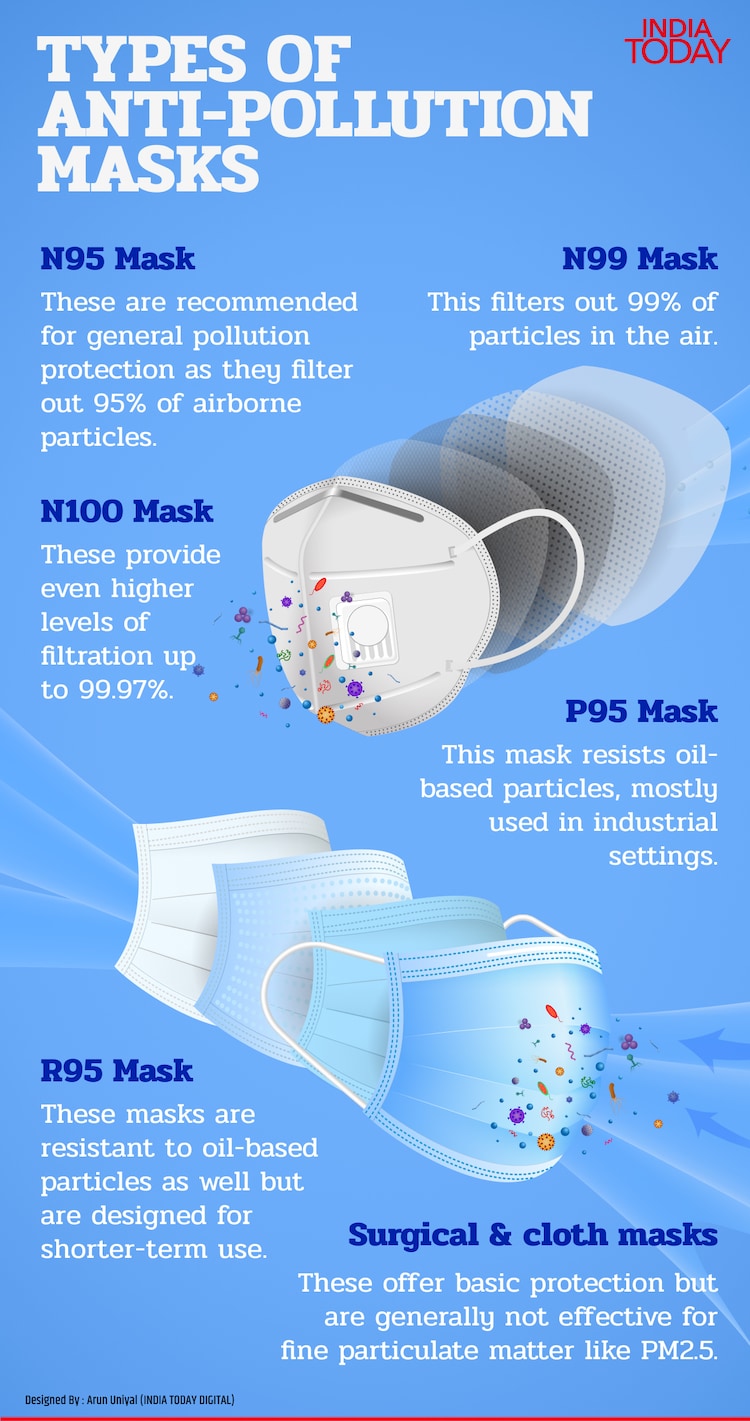
Air pollution has become a serious concern in many cities around the world. From vehicle emissions to industrial smoke and fine dust particles, polluted air can negatively affect your health over time. Choosing the best face mask for pollution is one of the most effective ways to reduce exposure to harmful airborne particles and improve daily breathing quality.
Whether you commute daily, ride a motorbike, work outdoors, or live in a high-pollution area, wearing the right mask can make a significant difference. A high-quality pollution mask not only provides protection but also improves comfort during long hours of use.
Why You Need the Best Face Mask for Pollution
Air pollution contains tiny particles that are often invisible to the eye. Among the most dangerous are PM2.5 particles, which are small enough to enter deep into the lungs and even the bloodstream.
Long-term exposure to polluted air may lead to:
- Respiratory irritation
- Breathing difficulties
- Allergies and coughing
- Reduced lung function
- Long-term health complications
The best face mask for pollution helps filter these harmful particles before they enter your respiratory system, providing an additional layer of protection in everyday environments.
How Pollution Masks Work
Pollution masks are designed with multiple layers that trap particles of different sizes.
A typical mask structure includes:
- Outer layer to block large dust particles
- Middle filtration layer for fine particles
- Inner layer for comfort and moisture absorption
Advanced masks may also include activated carbon filters or specialized PM2.5 filtration systems for improved protection.
This layered design helps balance filtration efficiency and breathability.
Key Features of the Best Face Mask for Pollution
High Filtration Efficiency
The most important feature of any pollution mask is its ability to filter fine airborne particles.
A quality mask should effectively reduce exposure to:
- PM2.5 particles
- Dust
- Smoke
- Vehicle emissions
- Industrial pollutants
Multi-layer filtration systems generally provide better protection than basic cloth masks.
Breathable Design
Strong filtration should not make breathing difficult. The best face mask for pollution balances protection with airflow to maintain comfort during long periods of use.
Breathable masks are especially important for:
- Office workers
- Daily commuters
- Motorbike riders
- Outdoor workers
Secure and Comfortable Fit
A pollution mask must fit properly around the nose and mouth to prevent unfiltered air from entering through gaps.
Features that improve fit include:
- Adjustable ear loops
- Flexible nose bridges
- Ergonomic mask shapes
A secure fit also improves overall comfort and reduces the need for frequent adjustments.
Lightweight Materials
Heavy masks can become uncomfortable over time. Lightweight materials improve wearability while still maintaining effective filtration.
This is especially useful in warm or humid climates.
Types of Pollution Masks
Disposable Pollution Masks
Disposable masks are convenient and hygienic for short-term use. Many include non-woven filtration layers that effectively filter particles.
Advantages include:
- Easy to use
- No cleaning required
- Convenient for travel
However, they require regular replacement.
Reusable Pollution Masks
Reusable masks are more cost-effective for long-term daily use. They are typically made from durable fabric materials and may include replaceable filters.
Benefits include:
- Reduced waste
- Long-term savings
- Comfortable daily wear
Regular cleaning is essential for maintaining effectiveness.
PM2.5 Filter Masks
These masks are specifically designed to filter fine particulate matter. Many include replaceable PM2.5 filters for improved protection in polluted environments.
They are ideal for:
- Urban commuting
- Heavy traffic exposure
- Industrial areas
How to Choose the Best Face Mask for Pollution
Selecting the right pollution mask depends on several important factors.
Filtration Performance
Choose masks designed to filter fine particles such as PM2.5 and airborne pollutants.
Comfort for Long-Term Use
If you wear a mask daily, comfort becomes extremely important. Look for breathable and lightweight materials.
Reusability
Consider whether you prefer reusable masks or disposable options depending on your routine and budget.
Environment and Exposure Level
Highly polluted areas may require stronger filtration compared to general daily use.
Fit and Seal Quality
A proper fit greatly improves protection by minimizing air leakage around the edges.
Best Materials for Pollution Masks
The material used in a mask directly affects both comfort and filtration.
Non-Woven Fabric
Commonly used in disposable masks, non-woven material provides lightweight filtration.
Melt-Blown Filtration Layers
This specialized material captures very fine particles and is often used in high-performance masks.
Cotton Blends
Reusable masks often use cotton blends for comfort and breathability while combining additional filter layers for protection.
Activated Carbon Filters
Some masks include activated carbon layers to help reduce odors and pollutants from smoke or traffic.
Common Mistakes When Using Pollution Masks
Even the best face mask for pollution can become less effective if used incorrectly.
Wearing the Mask Loosely
Gaps around the sides allow polluted air to bypass the filter layers.
Reusing Dirty Masks
Dirty masks accumulate moisture and particles over time, reducing effectiveness.
Ignoring Filter Replacement
Replaceable filters should be changed regularly according to usage conditions.
Touching the Front Surface Frequently
The outer layer may collect pollutants during use.
Avoiding these mistakes helps maintain proper protection.
Benefits of Using the Best Face Mask for Pollution
Improved Breathing Quality
Filtering harmful particles reduces irritation and improves overall breathing comfort.
Reduced Exposure to Pollutants
Masks help limit the amount of dust, smoke, and airborne particles entering the respiratory system.
Better Comfort During Commuting
Breathable masks improve comfort for people traveling through polluted urban areas.
Daily Health Protection
Long-term use may help reduce health risks associated with air pollution exposure.
Greater Peace of Mind
Wearing a reliable mask provides confidence when traveling through crowded or polluted environments.
Best Situations to Wear a Pollution Mask
The best face mask for pollution is useful in many everyday environments.
Urban Commuting
Heavy traffic areas expose commuters to high levels of vehicle emissions and fine particles.
Outdoor Work
Construction workers, delivery drivers, and outdoor laborers often face prolonged dust exposure.
Motorbike Riding
Motorbike riders are directly exposed to roadside pollution and dust.
Traveling
Public transportation and crowded city environments often contain airborne pollutants.
High Pollution Days
Air quality may fluctuate seasonally, making pollution masks especially important during poor air conditions.
How to Maintain a Pollution Mask
Proper maintenance ensures long-term effectiveness.
Clean Reusable Masks Regularly
Wash fabric masks according to manufacturer instructions.
Replace Filters on Time
PM2.5 or activated carbon filters lose effectiveness after extended use.
Store Properly
Keep masks in clean, dry locations to avoid contamination.
Inspect for Damage
Replace masks with worn fabric, damaged straps, or reduced fit quality.
Pollution Masks and Skin Comfort
Long-term mask usage can sometimes cause discomfort or irritation. Choosing breathable materials and maintaining cleanliness helps reduce these issues.
Soft inner fabrics and moisture control improve comfort, especially for people with sensitive skin.
A properly fitted mask also reduces friction and pressure on the face.
Conclusion
Choosing the best face mask for pollution is an important step toward protecting your respiratory health in modern environments. With increasing exposure to dust, smoke, and fine particles, a high-quality pollution mask helps reduce risks while improving daily comfort.
By selecting the right materials, ensuring a proper fit, and maintaining your mask correctly, you can enjoy cleaner breathing and more reliable protection every day.
Investing in a dependable pollution mask is a simple but effective way to support your long-term health and well-being.
CTA (Call To Action)
Protect yourself from harmful air pollution with the best face mask for pollution today. Choose breathable comfort, advanced filtration, and reliable daily protection for cleaner and safer breathing.
