Post
Face Masks and Glasses: How to Prevent Fogging Issues
May
Face Masks and Glasses: How to Prevent Fogging Issues
When it comes to face masks and glasses, making an informed decision is crucial for your health, comfort, and budget. This comprehensive guide explores everything you need to know about face masks, from selection criteria and technical specifications to practical usage tips and maintenance advice. Whether you’re a first-time buyer or looking to upgrade your current protection, this guide on face masks provides the expert information you need.
Understanding face masks and glasses: An Introduction
The market for face masks and glasses has grown exponentially in recent years, driven by increased awareness of airborne health threats and environmental pollution. Today’s face masks options range from basic disposable variants to sophisticated multi-layer respirators engineered for maximum filtration performance. Understanding the landscape of face masks products helps consumers navigate choices confidently and avoid both overspending and under-protecting.
Quality face masks and glasses products are designed with multiple overlapping protective mechanisms. The outer layer of face masks typically provides a physical barrier against large particles and droplets. Interior filtration layers in face masks capture smaller particles through a combination of mechanical filtration and electrostatic attraction. The innermost layer of quality face masks wicks moisture away from the skin, improving comfort during extended wear.
Key Benefits of Quality face masks and glasses
Protection Against Airborne Hazards with face masks and glasses
The primary function of face masks is protecting wearers from airborne particles, pathogens, and pollutants. Well-engineered face masks and glasses products create a physical and electrostatic barrier that captures particles before they enter your respiratory system. Research consistently demonstrates that properly worn face masks with adequate filtration ratings significantly reduces exposure to harmful airborne contaminants including viral particles, bacteria, allergens, and fine particulate matter.
The effectiveness of face masks and glasses in capturing particles depends on multiple factors including filtration material quality, mask fit, and wear duration. High-quality face masks maintains its protective properties throughout its rated service life, providing consistent defense against airborne threats. Regular replacement or cleaning of face masks according to manufacturer guidelines ensures continued optimal performance.
Comfort Features in Modern face masks and glasses
Contemporary face masks and glasses designs prioritize comfort alongside protection, recognizing that the best mask is one that gets worn consistently. Modern face masks products incorporate features like adjustable nose wires for personalized fit, soft ear loops that minimize pressure behind ears, breathable inner layers that reduce heat and humidity buildup, and lightweight construction that minimizes facial fatigue during all-day wear.
Premium face masks and glasses models may also feature 3D structural designs that create space between the mask material and your mouth, allowing more comfortable breathing and speaking. These ergonomic considerations in face masks design reflect manufacturers’ understanding that comfort drives compliance, and compliance drives protection.
How to Select the Right face masks and glasses for Your Needs
Assessing Your Protection Requirements for face masks and glasses
Choosing the appropriate face masks and glasses begins with an honest assessment of your risk exposure. High-risk environments such as healthcare settings, crowded indoor spaces, or areas with significant air pollution require face masks with higher filtration ratings like N95, FFP2, or KN95 certification. For lower-risk everyday activities, quality surgical face masks or multi-layer cloth masks provide adequate protection at lower cost.
Consider the duration of your typical mask-wearing periods when selecting face masks and glasses. For brief exposures, virtually any quality face masks provides adequate protection. For extended wear of several hours or more, breathability and comfort become increasingly important factors in your face masks selection. Active use during exercise requires face masks specifically designed for high-exertion activities with maximum airflow.
Evaluating face masks and glasses Specifications and Certifications
When comparing face masks and glasses products, focus on verified performance data rather than marketing claims. Look for face masks carrying recognized certifications such as NIOSH approval (USA), CE marking with EN149 compliance (Europe), or equivalent national standards. These certifications in face masks products ensure independent verification of filtration performance, giving you confidence that the protection claimed is the protection delivered.
Third-party testing results for face masks and glasses products, available from reputable manufacturers on request, provide additional performance assurance. Particle filtration efficiency (PFE) and bacterial filtration efficiency (BFE) data for face masks products allow direct performance comparisons between different brands and models.
Proper Usage and Maintenance of face masks and glasses
Wearing Your face masks and glasses Correctly for Maximum Protection
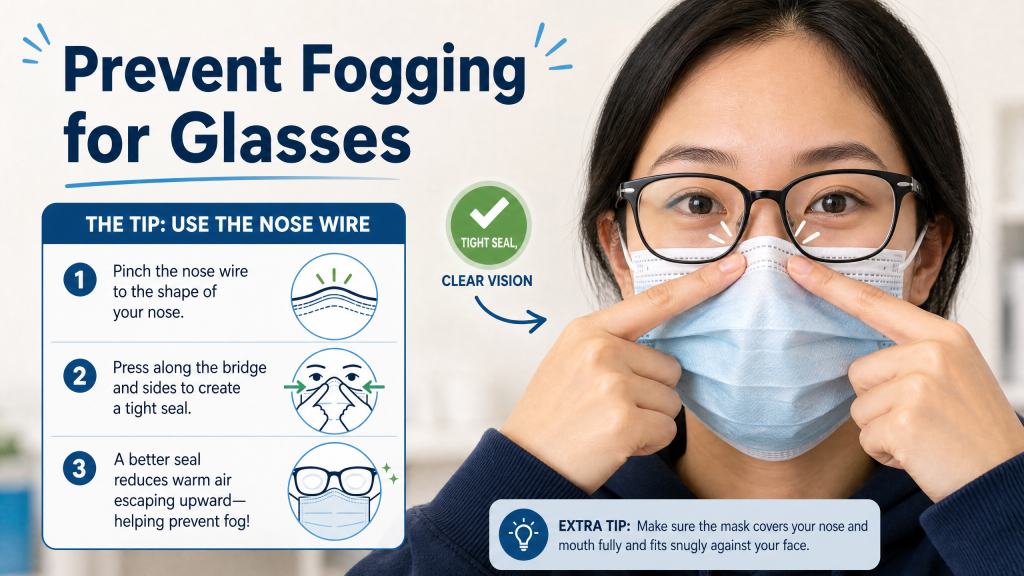
Even the highest-rated face masks and glasses provides inadequate protection when worn incorrectly. Always begin by cleaning your hands before handling your face masks. Position the face masks over your nose and mouth, ensuring complete coverage from the bridge of the nose to below the chin. Press the nose wire of your face masks firmly against your nose and cheeks to create a seal, and verify that no significant gaps exist around the edges.
Avoid touching the front surface of your face masks during use, as this area may carry concentrated contaminants. If you must adjust your face masks, do so by touching only the straps or ear loops. When removing your face masks, always do so by the straps, keeping the front surface away from your hands and face. These practices maximize the protective value of your face masks investment.
Caring for Reusable face masks and glasses
Reusable face masks and glasses require consistent maintenance to preserve their protective properties. Wash cloth face masks after every use using hot water and fragrance-free detergent. Allow your face masks to dry completely before wearing again — damp masks trap moisture and may support microbial growth. Replace filter inserts in your face masks regularly according to manufacturer recommendations, typically every 8-24 hours of use depending on exposure conditions.
Store clean face masks and glasses in breathable bags or containers that protect them from dust and contamination without trapping moisture. Inspect your face masks regularly for signs of wear including tears, deformation of structural elements, or deterioration of filter materials. Replace any face masks showing signs of damage immediately, as compromised structural integrity reduces protection.
Common Questions About face masks and glasses
How Long Does face masks and glasses Last?
The lifespan of face masks and glasses varies significantly by type and usage conditions. Disposable face masks are designed for single use or limited multi-use up to eight hours, depending on the specific product. Quality reusable face masks with replaceable filter components can provide effective protection for months or years when properly maintained. The outer cover of reusable face masks typically lasts 50-100 wash cycles before structural degradation requires replacement.
Exposure to high concentrations of particles, moisture, or contaminants shortens the effective lifespan of face masks and glasses. In dusty industrial environments or high-risk healthcare settings, replace face masks more frequently than under normal use conditions. Trust your senses — if your face masks becomes difficult to breathe through or develops an odor, it’s time for replacement regardless of its chronological age.
Can face masks and glasses Be Worn During Exercise?
Exercise while wearing face masks and glasses requires careful consideration of both protection and health safety. General-purpose face masks not designed for athletic use can restrict airflow significantly during high-intensity activity, potentially causing discomfort or breathing difficulties. Specialized athletic face masks with maximum breathability ratings are available for active users who require both protection and performance.
During moderate-intensity exercise, quality face masks and glasses with good breathability can be worn safely by healthy adults. Pay attention to any sensations of excessive breathlessness when wearing face masks during exercise — these are signals to take a mask break in a safe location. Children and older adults should be particularly cautious about face masks use during physical activity.
Where to Buy Quality face masks and glasses
Purchasing face masks and glasses from reputable suppliers is essential to ensure you receive genuine products meeting their claimed specifications. Authorized distributors and direct manufacturer sales channels provide the highest confidence in face masks authenticity. When purchasing face masks from online marketplaces, verify seller credentials and look for certifications and third-party test results before completing your purchase.
Avoid purchasing face masks and glasses from unknown sellers offering prices significantly below market rates — counterfeit and substandard face masks are prevalent in the market, particularly at unusually low price points. The modest premium paid for verified authentic face masks from trusted sources is justified by the protection assurance it provides.
Conclusion: Making the Most of Your face masks and glasses
Investing in quality face masks and glasses and using it correctly provides meaningful protection against the airborne threats you encounter daily. By understanding the specifications, certifications, and proper usage protocols for face masks, you can make confident purchasing decisions and maximize the protective value of your masks. Remember that the best face masks is one that fits well, meets your protection requirements, and is worn consistently — making comfort and usability important considerations alongside raw filtration performance.
As mask technology continues to evolve, new face masks and glasses innovations regularly enter the market. Stay informed about developments in face masks design and standards, and periodically reassess whether your current face masks solution continues to meet your evolving needs. With the right knowledge and the right face masks, you can breathe easier in a world full of airborne challenges.
