Post, Face Mask Benefits
Face Mask Material: How to Choose the Best Fabric for Protection
May
Face Mask Material Guide: How to Choose the Best Fabric for Comfort and Protection

Choosing the right face mask material is one of the most important factors when selecting a mask for daily use. While many people focus on appearance or design, the material directly affects comfort, breathability, durability, and filtration performance.
A high-quality face mask material helps balance protection and comfort, making it easier to wear a mask for long periods throughout the day. Whether you use a mask for commuting, office work, outdoor activities, or travel, understanding different materials can help you make a smarter and more comfortable choice.
In this guide, you will learn about the most common face mask materials, their advantages and limitations, how multi-layer masks work, and how to choose the best material for your needs.
Why Face Mask Material Matters
The material used in a mask determines how well it performs in daily situations. Different fabrics offer different levels of airflow, softness, durability, and filtration.
A high-quality face mask material helps:
- Filter airborne particles more effectively
- Improve breathing comfort
- Reduce heat and moisture buildup
- Prevent skin irritation
- Increase long-term durability
On the other hand, poor-quality materials may lead to discomfort and reduced effectiveness.
Low-quality masks may:
- Feel hot and uncomfortable
- Cause skin irritation
- Lose shape quickly
- Provide poor airflow
- Offer weak filtration
Choosing the right material ensures a better balance between comfort and protection.
Common Types of Face Mask Material
There are several materials commonly used in modern face masks. Each offers unique benefits depending on the intended use.
Cotton Face Mask Material
Cotton is one of the most widely used mask fabrics because of its softness and comfort.
A cotton face mask material is popular for daily wear due to its breathable and skin-friendly properties.
Advantages of Cotton
- Soft and comfortable
- Gentle on sensitive skin
- Breathable for long-term use
- Washable and reusable
- Easy to maintain
Cotton masks are ideal for:
- Office use
- School environments
- Daily commuting
- Casual wear
Limitations of Cotton
Although comfortable, cotton may provide lower filtration compared to specialized filter materials.
For better performance, cotton is often combined with additional layers.
Polyester Face Mask Material
Polyester is commonly blended with other fabrics to improve mask structure and durability.
Advantages of Polyester
- Strong and durable
- Maintains shape well
- Resistant to wrinkles
- Lightweight
Polyester blends are often used in reusable masks designed for long-term use.
Limitations of Polyester
Some polyester fabrics may:
- Feel warmer than cotton
- Offer less airflow
- Cause discomfort in hot weather
A breathable design helps reduce these issues.
Non-Woven Face Mask Material
Non-woven fabric is commonly used in disposable masks and medical-style masks.
Unlike traditional woven fabrics, non-woven materials are designed specifically for filtration.
Advantages of Non-Woven Material
- High filtration efficiency
- Lightweight structure
- Better particle blocking
- Suitable for disposable masks
This type of face mask material is often found in surgical-style masks.
Limitations of Non-Woven Material
- Usually not reusable
- Less environmentally friendly
- Limited long-term durability
Disposable masks are convenient but require regular replacement.
Melt-Blown Face Mask Material
Melt-blown fabric is one of the most important filtering layers in high-performance masks.
It is specially engineered to capture very fine particles.
Advantages of Melt-Blown Material
- Excellent filtration performance
- Captures fine airborne particles
- Essential for anti-pollution masks
- Lightweight and efficient
Many premium masks use melt-blown layers as the core filtration component.
Limitations of Melt-Blown Material
Melt-blown fabric is usually combined with other materials because it is not designed to function alone as a complete mask.
It works best as a middle filtration layer.
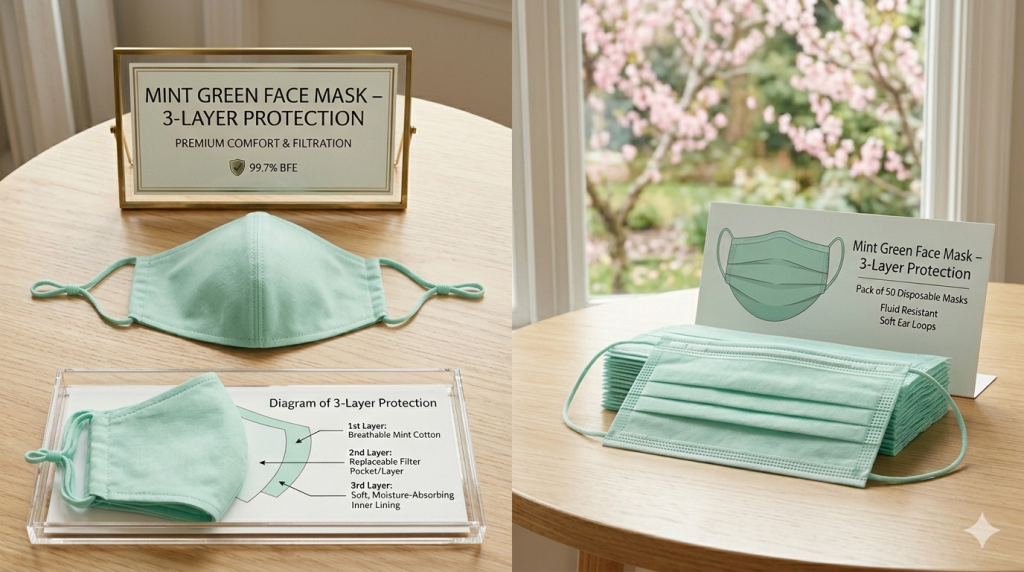
Multi-Layer Face Mask Material
Modern masks often combine several materials into a multi-layer structure.
A multi-layer face mask material design improves protection while maintaining comfort.
Typical Multi-Layer Structure
Outer Layer
The outer layer helps block dust, droplets, and environmental particles.
Middle Filter Layer
This layer often uses melt-blown or specialized filtration material to capture smaller particles.
Inner Layer
The inner layer focuses on comfort and moisture absorption against the skin.
Combining multiple layers creates a better balance between:
- Filtration
- Breathability
- Durability
- Comfort
Multi-layer masks are commonly recommended for everyday use.
How to Choose the Best Face Mask Material
The ideal material depends on your daily lifestyle and specific needs.
Consider Your Purpose
Different situations require different mask materials.
Daily Use
Cotton or cotton blends are suitable for comfortable everyday wear.
High Pollution Areas
Masks with melt-blown filtration layers provide stronger protection.
Long Office Hours
Breathable and lightweight fabrics improve comfort during extended wear.
Travel and Commuting
Multi-layer masks balance filtration and comfort for busy environments.
Choosing the right face mask material based on your lifestyle improves both safety and comfort.
Face Mask Material for Sensitive Skin
People with sensitive skin should pay close attention to fabric choice.
Best Materials for Sensitive Skin
Recommended options include:
- Soft cotton
- Hypoallergenic fabrics
- Smooth inner linings
These materials reduce:
- Friction
- Redness
- Skin irritation
- Acne caused by trapped moisture
Materials to Avoid
Rough or poorly ventilated fabrics may increase discomfort and skin problems.
Choosing skin-friendly face mask material improves daily wear experience significantly.
Face Mask Material for Hot Weather
Warm climates require materials that improve airflow and reduce heat buildup.
Ideal Hot-Weather Materials
- Lightweight cotton
- Moisture-wicking fabrics
- Breathable performance blends
These fabrics help:
- Reduce sweating
- Improve airflow
- Increase comfort in humid conditions
A breathable face mask material is especially important in tropical or hot environments.
Face Mask Material for Sports and Active Use
Physical activity increases heat and moisture inside masks.
Sports masks often use:
- Lightweight synthetic blends
- Moisture-control fabrics
- Flexible performance materials
These materials support better airflow during movement and exercise.
Common Mistakes When Choosing Face Mask Material
Many people select masks based only on appearance without considering fabric quality.
Choosing Very Thin Materials
Thin fabrics may feel breathable but often provide limited filtration.
Ignoring Breathability
Poor airflow can cause discomfort during long wear periods.
Selecting Rough Fabrics
Harsh materials may irritate the skin.
Overlooking Multi-Layer Construction
Single-layer masks may not provide enough protection for certain environments.
Avoiding these mistakes helps you choose a better and more effective mask.
Benefits of Choosing the Right Face Mask Material
A carefully selected face mask material provides several important advantages.
Better Filtration
Quality materials improve protection against airborne particles.
Improved Comfort
Soft and breathable fabrics make long-term wear easier.
Reduced Skin Irritation
Skin-friendly materials lower the risk of redness and discomfort.
Better Durability
Strong fabrics maintain shape and performance longer.
Suitable for Daily Use
Comfortable materials encourage regular and consistent mask use.
These benefits make material selection one of the most important factors when buying a mask.
How to Maintain Face Mask Material Properly
Proper care helps extend the life and effectiveness of your mask.
Wash Reusable Masks Regularly
Frequent cleaning removes dust, oils, and bacteria.
Use Mild Detergent
Gentle cleaning products help preserve fabric quality.
Avoid Harsh Chemicals
Strong chemicals may damage fibers and reduce performance.
Dry Completely Before Reuse
Moisture trapped in masks can reduce comfort and hygiene.
Maintaining your face mask material properly helps preserve both comfort and filtration quality.
How Material Affects Breathability
Breathability is one of the most important aspects of mask comfort.
Good airflow helps reduce:
- Heat buildup
- Moisture accumulation
- Difficulty breathing
- Fatigue during long wear
The best masks balance filtration and breathability through smart material combinations.
Conclusion
Understanding face mask material is essential for choosing a mask that provides both comfort and effective protection. Different materials offer different advantages, from soft and breathable cotton to advanced melt-blown filtration layers.
By selecting the right material based on your daily activities, environment, and comfort needs, you can significantly improve your mask-wearing experience.
A high-quality mask starts with high-quality materials, making material selection one of the smartest investments for daily comfort and long-term use.
Choose Better Materials for Better Protection
Upgrade your daily protection with masks made from premium face mask material designed for comfort, durability, breathability, and reliable performance every day.
