Post
Disposable vs Reusable Face Masks: Which Is Right for You?
May
Disposable vs Reusable Face Masks: Which Is Right for You?
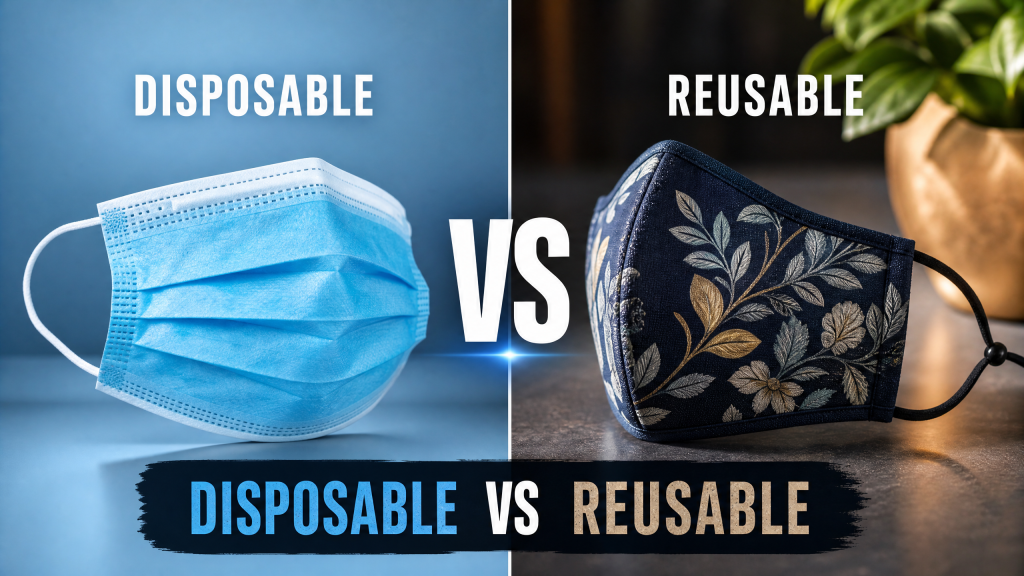
Choosing between disposable vs reusable face masks has become an important decision for consumers seeking the right balance of protection, comfort, cost, and sustainability. Both mask types offer valuable benefits, but they serve different needs depending on lifestyle, environment, and personal preferences.
Some people prioritize maximum filtration and convenience, while others focus on long-term savings and reducing environmental waste. Understanding the strengths and limitations of each option can help you make a smarter decision for daily use, travel, work, exercise, or high-risk environments.
This guide explores the full disposable vs reusable face masks comparison, covering protection, comfort, maintenance, environmental impact, and overall practicality.
Understanding Disposable vs Reusable Face Masks
The disposable vs reusable face masks debate begins with understanding how these products differ in design and intended use.
Disposable masks are generally designed for short-term use and include products such as:
- Surgical masks
- N95 respirators
- KN95 masks
- Medical-grade disposable masks
Reusable masks are built for repeated wear and typically include:
- Cloth masks
- Multi-layer fabric masks
- Masks with replaceable filters
- Premium reusable respirators
Each category offers different advantages depending on your daily exposure levels and usage habits.
Filtration Performance in Disposable vs Reusable Face Masks
Filtration efficiency is often the most important factor when comparing disposable vs reusable face masks.
Disposable Masks and Filtration
High-quality disposable masks are engineered with specialized filtration materials designed to capture microscopic airborne particles.
N95 and KN95 masks, for example, can filter at least 95% of fine airborne particles when properly fitted.
Disposable surgical masks also provide effective protection against larger droplets and general airborne contaminants.
Because disposable masks are factory-manufactured for single or limited use, their filtration performance is generally very consistent.
Reusable Masks and Filtration
Reusable masks vary more widely in performance.
Simple cotton masks may provide only limited filtration, while advanced reusable masks with PM2.5 or activated carbon filters can offer significantly stronger protection.
In the disposable vs reusable face masks comparison, premium reusable masks with replaceable filters often approach the protection levels of mid-range disposable masks.
However, filtration quality depends heavily on:
- Fabric quality
- Number of layers
- Filter type
- Proper maintenance
- Mask fit
Face Mask Fit and Seal Comparison
Proper fit is critical in the disposable vs reusable face masks discussion because even excellent filtration materials lose effectiveness if air leaks around the edges.
Disposable Mask Fit
Respirators such as N95 and KN95 masks are specifically designed to create tighter facial seals.
They often include:
- Adjustable nose bridges
- Elastic headbands
- Structured shapes
- Medical-grade sealing designs
This makes disposable respirators highly effective in high-risk environments.
Reusable Mask Fit
Reusable masks vary greatly in fit quality.
Higher-end reusable models often include:
- Adjustable ear loops
- Nose wires
- Ergonomic 3D shapes
- Flexible materials
Well-designed reusable masks can achieve excellent sealing performance, though lower-cost cloth masks may allow more air leakage.
Cost Comparison of Disposable vs Reusable Face Masks
Cost is one of the biggest deciding factors in the disposable vs reusable face masks debate.
Short-Term Costs
Disposable masks usually have lower upfront costs.
A pack of disposable surgical masks can be inexpensive and convenient for occasional use.
This makes disposables attractive for:
- Short trips
- Emergency backups
- Temporary use
- Infrequent wearers
Long-Term Costs
Over time, reusable masks often become far more economical.
A high-quality reusable mask may last several months or even years with proper care.
For daily mask users, the long-term disposable vs reusable face masks cost comparison strongly favors reusable options.
Environmental Impact of Disposable vs Reusable Face Masks
Environmental concerns have become increasingly important in the mask industry.
Waste from Disposable Masks
Disposable masks generate substantial waste worldwide.
Most disposable masks contain synthetic plastic-based materials that degrade very slowly in the environment.
Improperly discarded masks can contribute to:
- Plastic pollution
- Ocean waste
- Wildlife hazards
- Landfill accumulation
The environmental impact is one of the biggest criticisms in the disposable vs reusable face masks conversation.
Sustainability of Reusable Masks
Reusable masks dramatically reduce waste generation.
A single reusable mask can replace hundreds of disposable masks over its lifespan.
Many environmentally conscious consumers prefer reusable options because they:
- Reduce landfill waste
- Lower overall consumption
- Decrease packaging waste
- Support sustainable habits
Comfort in Disposable vs Reusable Face Masks
Comfort strongly affects whether masks are worn consistently and correctly.
Disposable Mask Comfort
Disposable masks are lightweight and breathable, but some users find them uncomfortable during extended wear.
Common complaints include:
- Ear irritation
- Tight pressure points
- Skin dryness
- Limited flexibility
Reusable Mask Comfort
Reusable masks often excel in long-term comfort because they can use softer fabrics and adjustable designs.
Premium reusable masks may include:
- Moisture-wicking linings
- Adjustable straps
- Breathable materials
- Skin-friendly fabrics
For all-day wear, many users prefer reusable masks in the disposable vs reusable face masks comparison.
Maintenance Requirements
Maintenance is another major difference between the two categories.
Disposable Masks
Disposable masks require almost no maintenance.
Users simply:
- Open the package
- Wear the mask
- Discard it after use
This simplicity makes disposable masks highly convenient.
Reusable Masks
Reusable masks require regular care to maintain hygiene and performance.
Maintenance typically includes:
- Washing after use
- Drying completely
- Replacing filters regularly
- Inspecting for wear or damage
In the disposable vs reusable face masks comparison, reusable masks demand more effort but provide longer-term value.
Best Situations for Disposable Face Masks
Disposable masks are often ideal for:
- Healthcare environments
- Air travel
- High-risk exposure
- Crowded indoor spaces
- Emergency preparedness
- Temporary or infrequent use
Their consistent filtration performance makes them especially useful in situations requiring maximum respiratory protection.
Best Situations for Reusable Face Masks
Reusable masks are often better suited for:
- Daily commuting
- Office work
- Casual public use
- Outdoor activities
- Environmentally conscious lifestyles
- Long-term regular wear
Many users prefer reusable masks because they combine comfort, style, and sustainability.
Style and Customization
One area where reusable masks clearly stand out is appearance and customization.
Reusable masks are available in:
- Multiple colors
- Fashion designs
- Athletic styles
- Professional looks
- Custom prints
This flexibility gives reusable masks an advantage in the disposable vs reusable face masks lifestyle comparison.
Common Mistakes in Disposable vs Reusable Face Masks
Consumers often make mistakes regardless of mask type.
Reusing Disposable Masks Excessively
Disposable masks lose effectiveness over time and should not be worn indefinitely.
Improperly Cleaning Reusable Masks
Failure to wash reusable masks properly can reduce filtration efficiency and hygiene.
Ignoring Fit
Poor fit reduces effectiveness for both disposable and reusable masks.
Choosing Low-Quality Products
Very cheap masks may not provide the protection levels claimed on packaging.
Combining Disposable and Reusable Face Masks
Many people find the best solution is using both mask types strategically.
A practical disposable vs reusable face masks approach may include:
- Disposable respirators for high-risk situations
- Reusable masks for everyday errands and commuting
- Backup disposable masks for emergencies or travel
This hybrid strategy combines convenience, cost savings, and flexibility.
The Future of Disposable vs Reusable Face Masks
Manufacturers continue improving both categories through new materials and technologies.
Emerging innovations include:
- Biodegradable disposable masks
- Advanced reusable nanofiber filters
- Smart air-quality monitoring systems
- Improved breathable fabrics
- Eco-friendly filtration materials
The future of the disposable vs reusable face masks market will likely focus on balancing strong protection with environmental sustainability.
Conclusion: Choosing Between Disposable vs Reusable Face Masks
The right choice in the disposable vs reusable face masks debate depends on your priorities, lifestyle, and exposure risks.
Disposable masks offer:
- Excellent filtration consistency
- Maximum convenience
- Strong protection in high-risk settings
Reusable masks provide:
- Long-term cost savings
- Greater comfort
- Environmental benefits
- More style options
Many users benefit from keeping both types available for different situations. By understanding the strengths and limitations of each option, you can make informed decisions that support your health, comfort, budget, and environmental values.
