Face Mask Benefits, Post
How Often to Replace Face Mask: Complete Guide for Safe Use
May
How Often to Replace Face Mask: Essential Tips for Better Protection and Hygiene
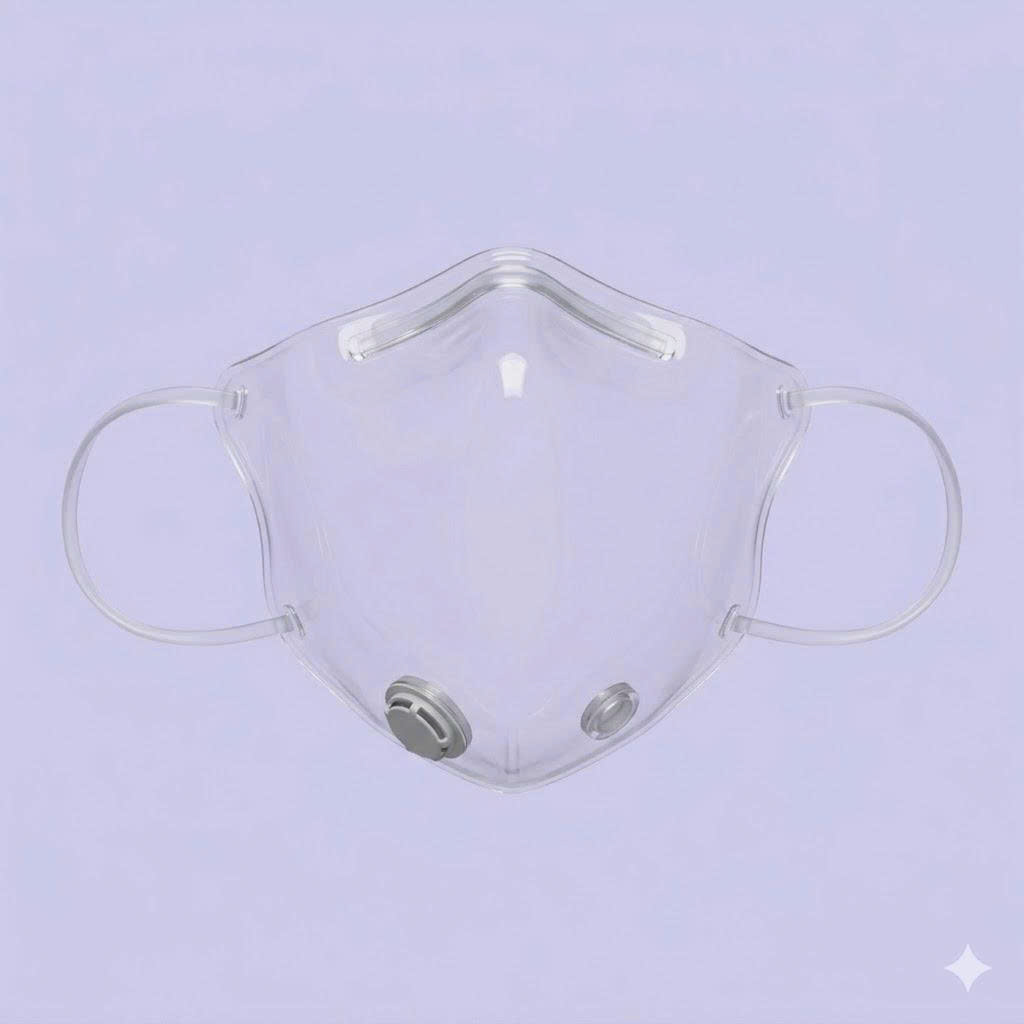
Understanding when to replace face mask is one of the most important parts of maintaining personal hygiene and effective respiratory protection. Many people wear masks every day for commuting, work, travel, or public activities, but they often overlook the importance of replacing them at the right time.
A face mask is designed to filter harmful particles, dust, moisture, and airborne contaminants. However, over time, the mask gradually loses effectiveness as it collects dirt, sweat, oils, and bacteria. Wearing an old or damaged mask may reduce protection and even create hygiene issues.
Learning how and when to replace face mask helps you stay comfortable, protected, and safe in both daily and high-exposure environments.
Why It Is Important to Replace Face Mask Regularly
Face masks work by filtering particles before they enter your respiratory system. During use, the mask traps moisture, dust, bacteria, and pollutants from the surrounding environment.
As buildup increases, the mask may become:
- Less breathable
- Less comfortable
- Less hygienic
- Less effective at filtration
Failing to properly replace face mask may lead to:
- Reduced protection against airborne particles
- Increased bacterial growth
- Skin irritation and acne
- Unpleasant odors
- Higher exposure to contaminants
Replacing your mask regularly ensures that it continues to provide reliable performance and comfort.
How Often to Replace Face Mask Based on Mask Type
Different types of masks have different replacement schedules. Understanding the correct usage period helps maintain both hygiene and effectiveness.
Disposable Masks
Disposable masks are designed for short-term use and should generally be replaced after one day of wear.
In some situations, you may need to replace face mask even sooner.
Replace Disposable Masks Immediately If:
- The mask becomes wet or damp
- It appears visibly dirty
- Breathing becomes difficult
- The mask loses its shape
- The ear loops become loose
Disposable masks are not intended for repeated long-term use. Overusing them reduces filtration efficiency and may increase contamination risks.
People who commute daily, work in crowded areas, or spend time in polluted environments should pay extra attention to mask replacement frequency.
Reusable Masks
Reusable masks can last much longer than disposable masks, but they require regular cleaning and proper maintenance.
Guidelines for Reusable Masks
- Wash after every use
- Dry completely before reuse
- Replace damaged masks immediately
- Inspect stitching and straps regularly
Although reusable masks are designed for multiple uses, there will still come a time when you need to replace face mask due to wear and reduced performance.
Replace Reusable Masks If:
- The fabric becomes thin
- The shape no longer fits properly
- Straps lose elasticity
- There are visible tears or damage
- Filtration layers weaken
Regular inspection helps ensure continued protection.
Signs You Need to Replace Face Mask
Sometimes replacement depends more on mask condition than on time alone. Paying attention to warning signs can help you determine when a mask is no longer effective.
Reduced Breathability
If breathing through the mask becomes noticeably harder, accumulated moisture and particles may be clogging the material.
Poor airflow is a strong sign that it is time to replace face mask.
Loose Fit
A mask should fit snugly against the face. Loose masks create gaps where unfiltered air can enter.
If the mask no longer seals properly, replacement is necessary.
Visible Wear and Tear
Damaged masks cannot provide consistent protection.
Look for:
- Torn fabric
- Broken ear loops
- Frayed stitching
- Bent nose bridges
Even small damage may reduce effectiveness.
Persistent Odor
An unpleasant smell often indicates moisture buildup and bacterial accumulation.
A clean, fresh mask should not produce strong odors during normal use.
Factors That Affect How Often to Replace Face Mask
Several conditions influence replacement frequency.
Duration of Use
Masks worn for long periods collect moisture and contaminants faster than masks used briefly.
Someone wearing a mask for an entire workday may need more frequent replacement than someone using it occasionally.
Environmental Conditions
Polluted or crowded areas expose masks to higher levels of dust, smoke, and airborne particles.
You may need to replace face mask more frequently if you:
- Commute daily in heavy traffic
- Work in urban environments
- Spend time in crowded indoor spaces
- Travel in dusty conditions
Physical Activity
Exercise, cycling, walking, or physically demanding work increases sweating and moisture buildup.
More moisture often means faster mask deterioration.
Risks of Not Replacing Your Face Mask
Ignoring proper mask replacement guidelines can reduce both hygiene and protection.
Increased Exposure to Harmful Particles
An old or damaged mask may no longer filter pollutants effectively.
This increases the risk of inhaling dust, smoke, allergens, and airborne contaminants.
Skin Problems
Dirty masks trap oils, sweat, and bacteria close to the skin.
This may contribute to:
- Acne
- Redness
- Irritation
- Discomfort
Regular replacement helps maintain healthier skin.
Poor Hygiene
Masks exposed to moisture for long periods may become breeding grounds for bacteria.
Proper replacement supports better overall cleanliness.
Reduced Comfort
Worn-out masks often become uncomfortable, especially during long-term use.
Fresh masks improve breathability and fit.
Best Practices to Replace Face Mask Safely
Following good replacement habits ensures better hygiene and convenience.
Carry Extra Masks
Always keep spare masks available, especially during long workdays or travel.
Having replacements nearby allows you to switch masks when needed.
Store Clean Masks Separately
Keep unused masks in clean storage pouches or containers.
Avoid mixing clean and used masks together.
Dispose of Masks Properly
Used disposable masks should be thrown away responsibly.
Avoid leaving masks in public areas or reusing heavily contaminated masks.
Wash Reusable Masks Daily
Daily washing removes bacteria, oils, and accumulated particles.
Consistent cleaning extends the lifespan of reusable masks.
Tips to Extend the Lifespan of Reusable Masks
While replacement is important, proper care can help reusable masks last longer.
Wash Gently
Use mild detergent and avoid harsh chemicals that may damage mask fibers.
Air Dry Completely
Allow masks to dry fully before reuse to prevent bacterial growth.
Avoid Excessive Stretching
Overstretching ear loops and straps can weaken the fit over time.
Store in Clean Environments
Proper storage helps preserve fabric quality and hygiene.
These simple habits reduce unnecessary wear while maintaining effectiveness.
Benefits of Replacing Your Face Mask Regularly
There are many advantages to properly replacing masks at the right time.
Better Filtration Performance
Fresh masks maintain stronger protection against airborne particles.
Improved Comfort
Clean masks feel lighter, fresher, and easier to breathe through.
Reduced Bacterial Buildup
Regular replacement lowers contamination risks.
Healthier Skin
Fresh masks help reduce irritation and moisture-related skin problems.
Better Overall Hygiene
Consistent replacement supports safer daily mask usage.
These benefits make it essential to replace face mask according to proper guidelines.
How to Create a Simple Mask Replacement Routine
Building a consistent routine makes mask replacement easier to remember.
Daily Disposable Mask Routine
- Use one disposable mask per day
- Replace sooner if wet or dirty
- Carry spare masks when outside
Reusable Mask Routine
- Wash reusable masks every evening
- Rotate between multiple masks
- Inspect masks weekly for damage
A simple routine helps maintain consistent protection without extra effort.
Conclusion
Knowing when to replace face mask is essential for maintaining hygiene, comfort, and effective protection. Whether you use disposable or reusable masks, regular replacement helps ensure that your mask continues to perform properly.
Paying attention to signs such as reduced breathability, poor fit, moisture buildup, and visible damage can help you determine the right time for replacement. Proper cleaning, storage, and daily habits also contribute to better mask performance and longer lifespan.
By following simple guidelines and building a regular replacement routine, you can improve your safety, comfort, and overall daily experience.
Stay Protected with Proper Mask Replacement
Stay safe every day by learning when to replace face mask for maximum protection and hygiene. Choose high-quality masks designed for durability, comfort, and reliable daily performance in any environment.
