Face Mask Benefits, Post
The Ultimate Guide to Face Masks: Choosing the Right Protection for Your Needs
May
Guide to Face Masks: Everything You Need to Know About Protection and Safety
Face masks have become an important part of modern life. From healthcare settings to public transportation and daily commuting, masks help reduce exposure to airborne particles, dust, pollution, and respiratory droplets. As more types of masks become available, understanding how they work and when to use them is essential.
This complete Guide to Face Masks explains the different mask types, filtration levels, fitting techniques, and maintenance tips to help you make informed decisions for your health and comfort.
Why This Guide to Face Masks Matters
The growing use of masks worldwide has created many questions about safety, comfort, and effectiveness. Some masks are designed for medical protection, while others focus on pollution control or everyday use.
A proper Guide to Face Masks helps users:
- Understand mask differences
- Choose suitable protection levels
- Improve daily comfort
- Use masks correctly
- Maintain hygiene and effectiveness
By learning the basics, you can select the best mask for your specific environment and needs.
Understanding Different Types of Face Masks
One of the most important parts of this Guide to Face Masks is understanding the main categories available today.
Cloth Masks
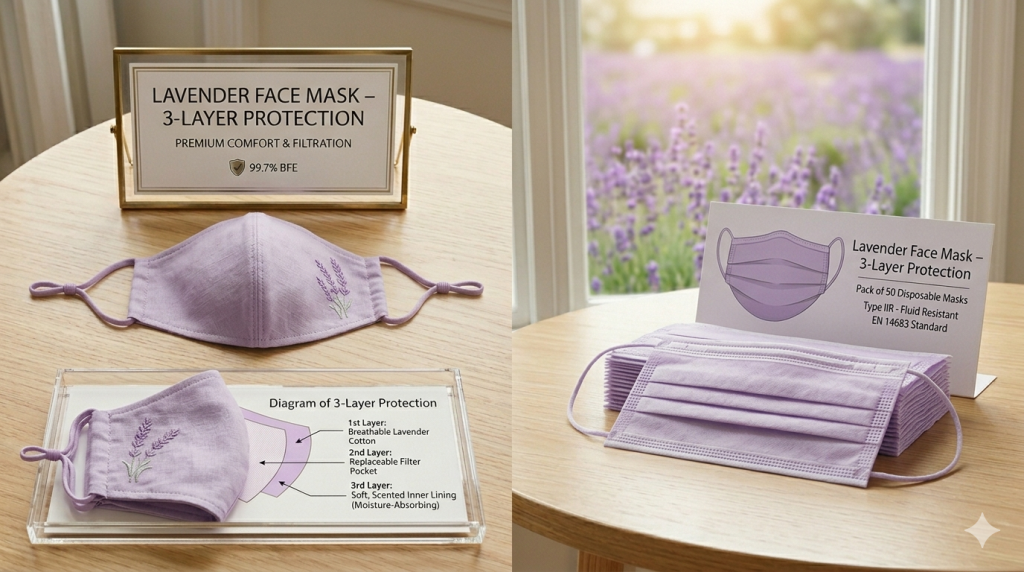
Cloth masks are reusable and commonly used for daily protection. They are usually made from cotton or fabric blends and come in many colors and designs.
Advantages include:
- Reusable design
- Comfortable daily wear
- Eco-friendly option
- Cost-effective long-term use
However, filtration performance depends on material quality and the number of layers used.
Surgical Masks
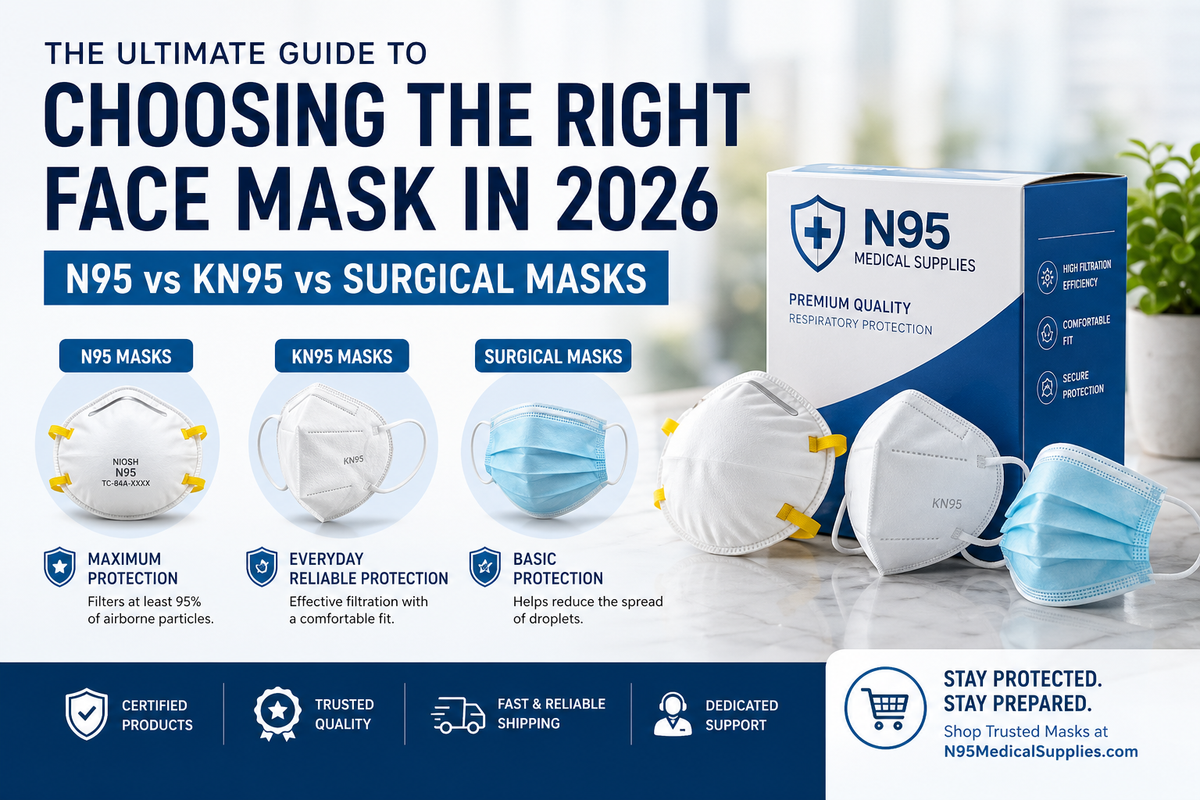
Surgical masks, also called medical masks, are disposable masks commonly used in hospitals and healthcare environments.
They are designed to:
- Reduce droplet transmission
- Provide hygienic protection
- Prevent contamination from splashes
Surgical masks are lightweight and convenient for public settings and short-term use.
N95 Respirators
N95 respirators are high-filtration masks designed to block at least 95% of airborne particles.
Features include:
- Tight facial seal
- Advanced filtration
- Better protection against small particles
These masks are commonly used in healthcare, industrial settings, and polluted environments.
KN95 and KF94 Masks
KN95 and KF94 masks follow international filtration standards and offer protection similar to N95 respirators.
Many people choose these masks because they provide:
- High filtration efficiency
- Comfortable designs
- Better daily usability
The main difference often involves strap design and fit.
Guide to Face Masks and Filtration Efficiency
Filtration efficiency refers to how effectively a mask captures airborne particles.
Low-Level Filtration
Basic cloth masks mainly block larger droplets and dust particles.
Medium-Level Filtration
Surgical masks provide stronger filtration while remaining lightweight and breathable.
High-Level Filtration
Respirators such as N95 and KN95 masks filter very small particles, including PM2.5 pollution and aerosols.
Choosing the correct filtration level depends on:
- Daily environment
- Exposure risk
- Pollution level
- Personal health concerns
How Proper Fit Affects Protection
An important part of any Guide to Face Masks is understanding fit. Even a high-quality mask may lose effectiveness if it does not fit properly.
Why Fit Matters
Air naturally follows the easiest path. Gaps around the nose or cheeks allow unfiltered air to enter.
A proper fit improves:
- Filtration performance
- Comfort
- Stability during movement
Adjusting the Nose Wire
Many masks include a flexible nose wire. Pinching this section helps create a better seal around the nose.
Checking for Air Leaks
After wearing the mask:
- Exhale gently
- Feel for escaping air near the eyes or sides
- Adjust straps if necessary
Double Masking
Wearing a cloth mask over a surgical mask can improve fit and reduce side gaps.
Choosing the Right Face Mask for Different Situations
A complete Guide to Face Masks should explain how different masks suit different environments.
Daily Commuting
For commuting and public transportation:
- Surgical masks
- KN95 masks
- Multi-layer cloth masks
are commonly recommended.
Air Pollution
In polluted cities, respirator-style masks provide stronger protection against fine particles such as PM2.5.
Office Use
Comfort and breathability become important for long work hours.
Good options include:
- Lightweight surgical masks
- Breathable reusable masks
- Minimalist cloth masks
Healthcare Settings
Medical professionals often require:
- N95 respirators
- Medical-grade surgical masks
depending on exposure levels.
Outdoor Activities
Breathable and lightweight masks improve comfort during walking, cycling, or daily outdoor use.
Guide to Face Masks for Comfort and Breathability
Comfort strongly affects how consistently people wear masks.
Breathable Materials
Good airflow helps reduce:
- Heat buildup
- Sweating
- Breathing discomfort
Cotton blends and breathable synthetic materials are commonly used for daily comfort.
Lightweight Design
A lighter mask reduces pressure on the face and ears during extended use.
Moisture Control
Masks that wick moisture away from the skin help improve comfort during long wear.
Common Mistakes Covered in This Guide to Face Masks
Many users unintentionally reduce mask effectiveness through improper usage.
Wearing the Mask Below the Nose
This leaves the respiratory system exposed and reduces protection.
Reusing Disposable Masks Excessively
Disposable masks lose effectiveness after extended use.
Ignoring Proper Cleaning
Reusable masks should be washed regularly to maintain hygiene.
Choosing Poor-Quality Materials
Thin or poorly made masks may provide inadequate filtration.
How to Maintain Your Face Mask Properly
Maintenance is essential for both safety and durability.
Cleaning Reusable Masks
Wash reusable masks using:
- Mild detergent
- Warm water
- Thorough drying
This removes dirt and bacteria while preserving material quality.
Proper Storage
Store masks in:
- Clean containers
- Dry environments
- Breathable storage bags
Avoid placing masks loosely in pockets or bags.
When to Replace a Mask
Replace masks if they become:
- Damp
- Damaged
- Dirty
- Loose-fitting
Damaged masks may no longer provide effective protection.
Guide to Face Masks for Pollution Protection
Air pollution is a growing concern in many cities worldwide.
Fine particles like PM2.5 can:
- Enter the lungs
- Affect breathing
- Cause long-term health issues
Respirator-style masks and filtered masks provide stronger protection against these particles.
People frequently exposed to pollution may benefit from:
- N95 masks
- KN95 masks
- Masks with replaceable filters
Reusable vs Disposable Masks
This Guide to Face Masks also compares reusable and disposable options.
Reusable Masks
Benefits include:
- Lower long-term cost
- Reduced environmental waste
- Comfortable daily wear
Disposable Masks
Advantages include:
- Convenience
- Hygiene
- Easy replacement
The best option depends on your lifestyle and environment.
Face Mask Safety Tips
Following simple safety habits improves effectiveness.
Wash Hands Before Wearing
Clean hands reduce contamination.
Avoid Touching the Front Surface
Touching the outer layer may transfer germs or dirt.
Replace Damp Masks
Moisture reduces filtration performance and comfort.
Ensure Full Coverage
Masks should fully cover both the nose and mouth.
Why Face Masks Remain Important
Face masks continue to play a valuable role in public health and personal protection.
Benefits include:
- Reducing airborne exposure
- Limiting droplet transmission
- Improving pollution protection
- Supporting hygiene in crowded spaces
Wearing a mask responsibly also helps protect surrounding communities.
Conclusion
This complete Guide to Face Masks shows that choosing the right mask involves more than appearance alone. Filtration efficiency, fit, breathability, comfort, and proper usage all play important roles in effective protection.
Whether you need a mask for healthcare, commuting, office work, pollution, or everyday use, understanding the differences between mask types helps you make safer and smarter decisions.
By selecting a high-quality mask and using it correctly, you can improve both personal protection and daily comfort in a wide range of environments.
CTA (Call To Action)
Use this Guide to Face Masks to choose the right protection for your lifestyle today. Invest in comfortable, high-quality masks that support safer breathing, better hygiene, and everyday confidence.
